
• Skip to main content
  • Skip to primary sidebar

Ad – Bottom Content

Payload Asia

Airline debt to balloon by 28 percent as heavy new debt levels seen to weigh down airline recovery

Payload Asia

  • Home
  • Latest News
  • Channels 
    • Carriers
    • Aircraft Manufacturers
    • Airports
    • Courier & Mail
    • Freight Forwarders
    • Express
    • Ground Handling & Cargo Terminals
    • Logistics
  • 12th Payload Asia Awards
    • About
    • Categories
    • 11th Payload Asia Awards
    • 10th Payload Asia Awards
    • 9th Payload Asia Awards
    • Awards Gallery
  • Subscribe
  • Advertise
  • More 
    • Event Calendar
    • Directory
    • Contact Us
Share

Leaderboard

Airline debt to balloon by 28 percent as heavy new debt levels seen to weigh down airline recovery

May 29, 2020 by PLA Editor

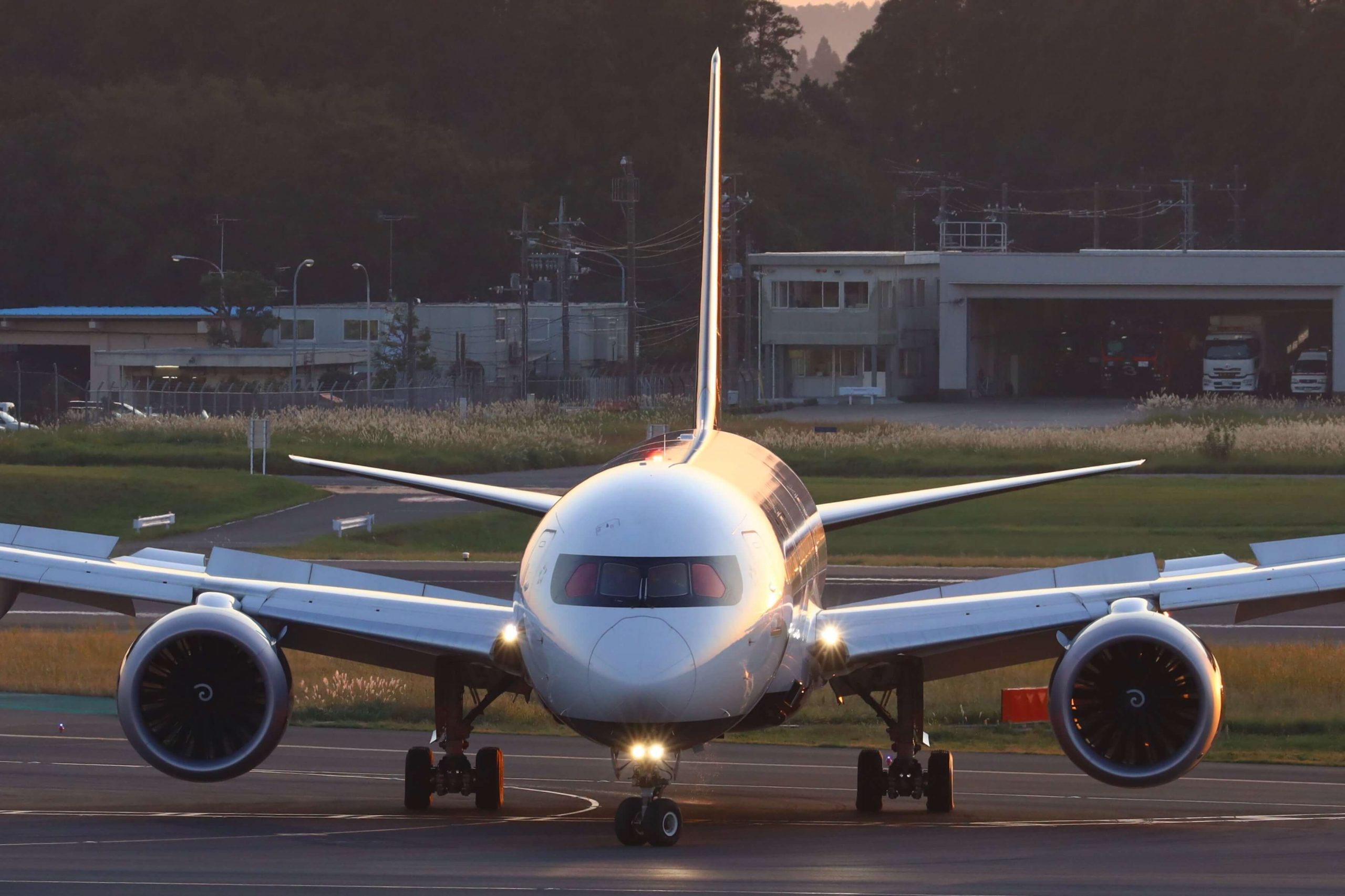
Tango Tsuttie/Unsplash
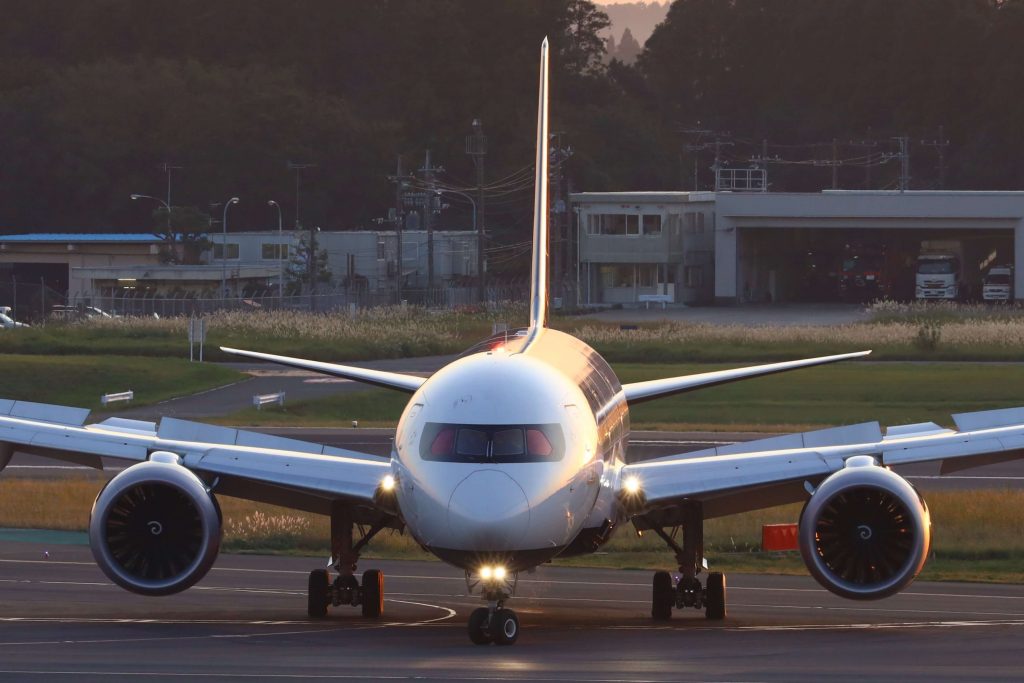
Tango Tsuttie/Unsplash

The International Air Transport Association (IATA) released analysis showing that the airline industry’s global debt could rise to $550 billion by year-end. That’s a $120 billion increase over debt levels at the start of 2020.

  • $67 billion of the new debt is composed of government loans ($50 billion), deferred taxes ($5 billion), and loan guarantees ($12 billion).
  • $52 billion is from commercial sources including commercial loans ($23 billion), capital market debt ($18 billion), debt from new operating leases ($5 billion), and accessing existing credit facilities ($6 billion).

Financial aid is a lifeline to get through the worst of the crisis without folding operations. But during the re-start period later this year, the industry’s debt load will be near $550 billion—a massive 28% increase.

“Government aid is helping to keep the industry afloat. The next challenge will be preventing airlines from sinking under the burden of debt that the aid is creating,” said Alexandre de Juniac, IATA’s Director General and CEO.


In total governments have committed to $123 billion in financial aid to airlines. Of this, $67 billion will need to be repaid. The balance largely consists of wage subsidies ($34.8 billion), equity financing ($11.5 billion), and tax relief / subsidies ($9.7 billion). This is vital for airlines which will burn through an estimated $60 billion of cash in the second quarter of 2020 alone.

“Over half the relief provided by governments creates new liabilities. Less than 10% will add to airline equity. It changes the financial picture of the industry completely. Paying off the debt owed governments and private lenders will mean that the crisis will last a lot longer than the time it takes for passenger demand to recover,” said de Juniac.

Regional variations

The $123 billion in government financial aid is equal to 14% of 2019’s total airline revenues ($838 billion). The regional variations of the aid dispersion indicate that there are gaps that will need to be filled.
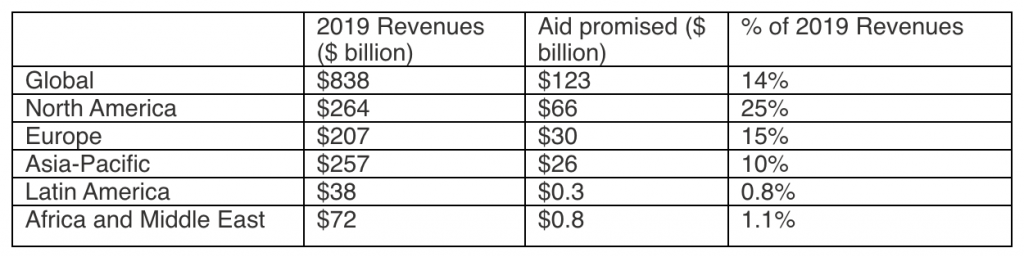
Courtesy of IATA

There are still large gaps in the financial aid needed to help airlines survive the COVID-19 crisis. The US government has led the way with its CARES Act being the main component of financial aid to North American carriers which in total represented a quarter of 2019 annual revenues for the region’s airlines. This is followed by Europe with assistance at 15% of 2019 annual revenues and Asia-Pacific at 10%. But in Africa, the Middle East and Latin America average aid is around 1% of 2019 revenues.

“Many governments have stepped up with financial aid packages that provide a bridge over this most difficult situation, including cash to avoid bankruptcies. Where governments have not responded fast enough or with limited funds, we have seen bankruptcies. Examples include Australia, Italy, Thailand, Turkey, and the UK. Connectivity will be important to the recovery. Meaningful financial aid to airlines now makes economic sense. It will ensure that they are ready to provide job-supporting connectivity as economies re-open,” said de Juniac.

The impact of debt

The kind of aid provided will influence the speed and strength of the recovery. IATA urged governments still contemplating financial relief to focus on measures that help airlines raise equity financing. “Many airlines are still in desperate need of a financial lifeline. For those governments that have not yet acted, the message is that helping airlines raise equity levels with a focus on grants and subsidies will place them in a stronger position for the recovery,” said de Juniac.

“A tough future is ahead of us. Containing COVID-19 and surviving the financial shock is just the first hurdle. Post-pandemic control measures will make operations more costly. Fixed costs will have to be spread over fewer travelers. And investments will be needed to meet our environmental targets. On top of all that, airlines will need to repay massively increased debts arising from financial relief. After surviving the crisis, recovering to financial health will be the next challenge for many airlines,” said de Juniac.

Recently, the IATA Board of Governors committed to five key principles for the industry re-start. Among these are commitments to the safety and security of staff and travelers, to meeting the industry’s environmental targets and to being a meaningful driver of the economic recovery with affordable connectivity.

Other Topics: Air & Cargo Services, air cargo, Air Cargo Asia, air cargo freight, Air Forwarding, air freight, Air Freight Asia, Air Freight Logistics, air freighter, air freighting, Air Logistics Asia, Air Shipping Asia, airlines cargo, airways cargo, arilines, asia cargo news, cargo aviation, Covid-19, IATA, International Air Transport Association

Related Articles

  • PACTL becomes the first air cargo terminal in the Chinese Mainland to achieve ISP:IEnvA Certification
  • SAAA@Singapore and IATA host 5th Air Cargo Day 2025 to strengthen industry collaboration and workforce transformation
  • Korean Air renews IATA CEIV Pharma certification
  • iata logoIATA: Air cargo demand up 2.9% in September, seventh straight month of growth
  • iata logoIATA highlights critical priorities for aviation safety and operations
  • iata logoAir cargo resilience continues: August demand up 4.1%, says IATA

Ad – After Content

Primary Sidebar

Trending News

  • CAICargoAi Unveils CargoMART Interline, revolutionising… CargoAi is proud to announce the launch of CargoMART Interline,…
  • lufthansa cargoLufthansa Cargo launches development of innovative… Lufthansa Cargo is developing a new type of virtual reality…
  • cce groupCCE Group and Emirates sign MoU to expand long-term… CCE Group and Emirates have signed a Memorandum of Understanding to explore expanded…
  • ceva logisticsCEVA Logistics reinvents healthcare cold chain in Asia From life-saving vaccines to sensitive biologics, healthcare logistics demands precision,…
  • Hactl Executive Director–Information Services John Lee (left) received the ISO IEC 27001 2022 certification from SGS Hong Kong Limited Deputy Director, Products & Services Development Chris Yau (right).Hactl’s COSAC-Plus becomes the first Hong Kong… Hong Kong Air Cargo Terminals Limited (Hactl) – Hong Kong’s largest…
  • From L to R – Christopher Lim, Praveen Gregory, Bjoern SchoonDHL Global Forwarding announces strategic leadership… DHL Global Forwarding, the freight specialist arm of DHL Group,…
  • Saudia Cargo_Payload Asia 2025Saudia Cargo named ‘Best E-Commerce Carrier –… Saudia Cargo, the leading air cargo carrier in the Middle…

Payload Asia Awards

Subscribe To
Our Newsletter


Payload Asia continues to be the authoritative source for informative, accurate and up-to-date news and information on the air cargo industry and related sectors.

With its updated and refreshed look the online edition continues to provide high quality coverage on the Asia-Pacific, India-Middle East, Europe-CIS, North & South America and Africa air cargo markets.

© 2025 Harvest Information. All rights reserved. Privacy Policy

Partner Sites : Asia Food Journal and Television Asia Plus .

We use cookies and similar technologies to improve your browsing experience.
Continuing to use this site means you agree to our use of cookies. I agreeRead More
Privacy & Cookies Policy

Privacy Overview

This website uses cookies to improve your experience while you navigate through the website. Out of these cookies, the cookies that are categorized as necessary are stored on your browser as they are essential for the working of basic functionalities of the website. We also use third-party cookies that help us analyze and understand how you use this website. These cookies will be stored in your browser only with your consent. You also have the option to opt-out of these cookies. But opting out of some of these cookies may have an effect on your browsing experience.
Necessary
Always Enabled

Necessary cookies are absolutely essential for the website to function properly. This category only includes cookies that ensures basic functionalities and security features of the website. These cookies do not store any personal information.

Non Necessary

Any cookies that may not be particularly necessary for the website to function and is used specifically to collect user personal data via analytics, ads, other embedded contents are termed as non-necessary cookies. It is mandatory to procure user consent prior to running these cookies on your website.

Analytics

Analytical cookies are used to understand how visitors interact with the website. These cookies help provide information on metrics the number of visitors, bounce rate, traffic source, etc.

Performance

Performance cookies are used to understand and analyze the key performance indexes of the website which helps in delivering a better user experience for the visitors.

Advertisement

Advertisement cookies are used to provide visitors with relevant ads and marketing campaigns. These cookies track visitors across websites and collect information to provide customized ads.

Save & Accept

Stay Updated!

Subscribe now to receive the latest news, updates, and exclusive insights. Don’t miss out!


By submitting this form, you consent to receive marketing emails from Payload Asia. You can revoke your consent to receive emails at any time by using the SafeUnsubscribe® link, found at the bottom of every email.

Disclaimer: Translations on this website are automated using Google Translate. While we strive for accuracy, please be cautious, as machine translations may contain errors. For critical or sensitive content, consider seeking professional human translation. We are not liable for any reliance on the translated content.

1