

The global air freight market is shifting dramatically. In the last 12 months alone, the industry has witnessed major changes on several of the busiest international trade lanes. The strong demand for e-commerce uplift from Asia to the US, one of the largest trade lanes in the world, peaked in Q4 2024 and has tailed off significantly since then. This phenomenon—driven by changes in regulatory and trade policies as well as broader market forces—has resulted in a substantial shift in global air freight supply and demand from 2024 to 2025.
Additional market factors have further restricted demand in other sectors. Meanwhile, longer-term plans for nearshoring—developed following the supply chain disruptions caused by COVID-19—are now being implemented in industries such as automotive. Nevertheless, overall air cargo demand in this vertical remains down.
In turbulent times, an adaptable business model is key
One thing is certain: the current period represents a turbulent phase for international air freight. More unknown variables are influencing the market than in previous years, originating from shifting government policies, capital trends, and macroeconomic forces. Looking ahead, visibility remains limited, and forecasting near-term demand has become increasingly difficult.
In this context, having a business model capable of rapid adaptation is a major advantage.
Chapman Freeborn notes that its 53-year track record of continuous evolution provides a strong foundation during this period of volatility.
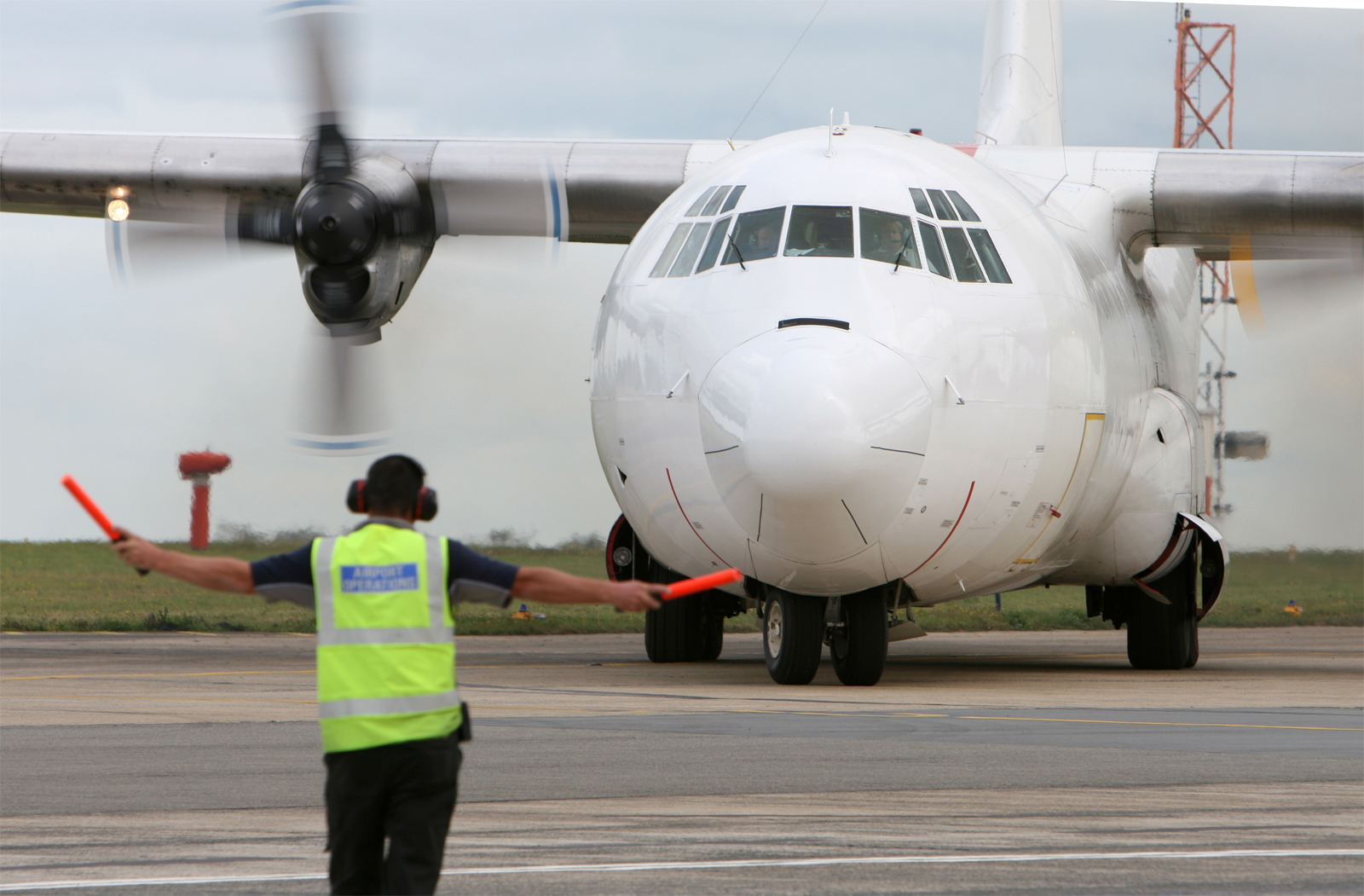
From the outset, the company’s cargo model has been based on ad hoc charters and recurring charter programs, later integrating additional value-added services, deliverables, and specialist teams. Chapman Freeborn offers part-charters, priority air freight, and bespoke solutions such as door-to-door pickup and hand-carry services. Through mergers and acquisitions, the company has expanded its portfolio to include specialist brands such as Magma Aviation, a dedicated Boeing 747 cargo operator; Intradco Global, a specialist animal transport division; and Arcus Aviation, which handles critical movements across Europe.
Adapting for different verticals
Chapman Freeborn’s resilient business model enables the company to support a wide range of global and regional users—an essential capability at a time when demand is rising in some sectors and declining in others.
Defense
Defense is experiencing a significant uptick due to geopolitical shifts. Chapman Freeborn has expanded resources and capabilities in response, including compliance expertise, cargo-specific training, air transport specialists, and additional full-time employees.
Aerospace
Demand remains stable within aerospace. Just-in-time manufacturing continues to rely heavily on air cargo, with multi-year production cycles helping sustain uplift requirements throughout the year.
Energy
The energy sector, particularly Oil & Gas, continues to show steady demand. When critical components for rigs or refineries fail, urgent air transport is required to restore operations—creating consistent cargo needs even when oil prices are not optimal for large producers.
Automotive
Air cargo demand in the automotive sector has declined significantly. Reduced dependency on just-in-time manufacturing has led to lower charter uptakes for both narrowbody and widebody aircraft. Nearshoring may remain a factor, and Chapman Freeborn maintains readiness to provide chartered and non-chartered capacity to support such shifts within the Americas, typically using aircraft such as 737s, A321s, B767s, and larger widebodies.
The expertise to enable adaptation
The company emphasises that talent and training underpin its adaptable model. Chapman Freeborn continues to expand its team and develop specialist skills across the organisation.
As an air transportation provider, all new team members begin with a strong grounding in aviation and aircraft fundamentals. Specialist competencies are then added, including Hazardous Materials (Hazmat) expertise and ITAR regulatory knowledge for defence-related shipments. The company maintains TSA compliance procedures to support the transport of unique cargo types. All employees are trained to uphold internal standards focused on client-centricity, risk mitigation, and informed decision-making.
A key strength is the company’s strong regional presence. Experienced personnel are located not only in the United States but also in Canada, Mexico, and Brazil. Additional full-time employees continue to be added across these regions, enabling Chapman Freeborn to operate with local expertise rather than relying solely on centralised support.
Client-centricity baked in
Chapman Freeborn remains focused on delivering value to its customer base, including freight forwarders who depend on the company for urgent and specialist air cargo solutions. During periods of rapid market change, the company provides both operational support and advisory insights to help customers navigate shifting conditions—even before cargo moves.
Ultimately, Chapman Freeborn’s flexible business model and specialist expertise enable the company to adapt quickly to customer requirements and deliver rapid, tailored air freight solutions as needed.