

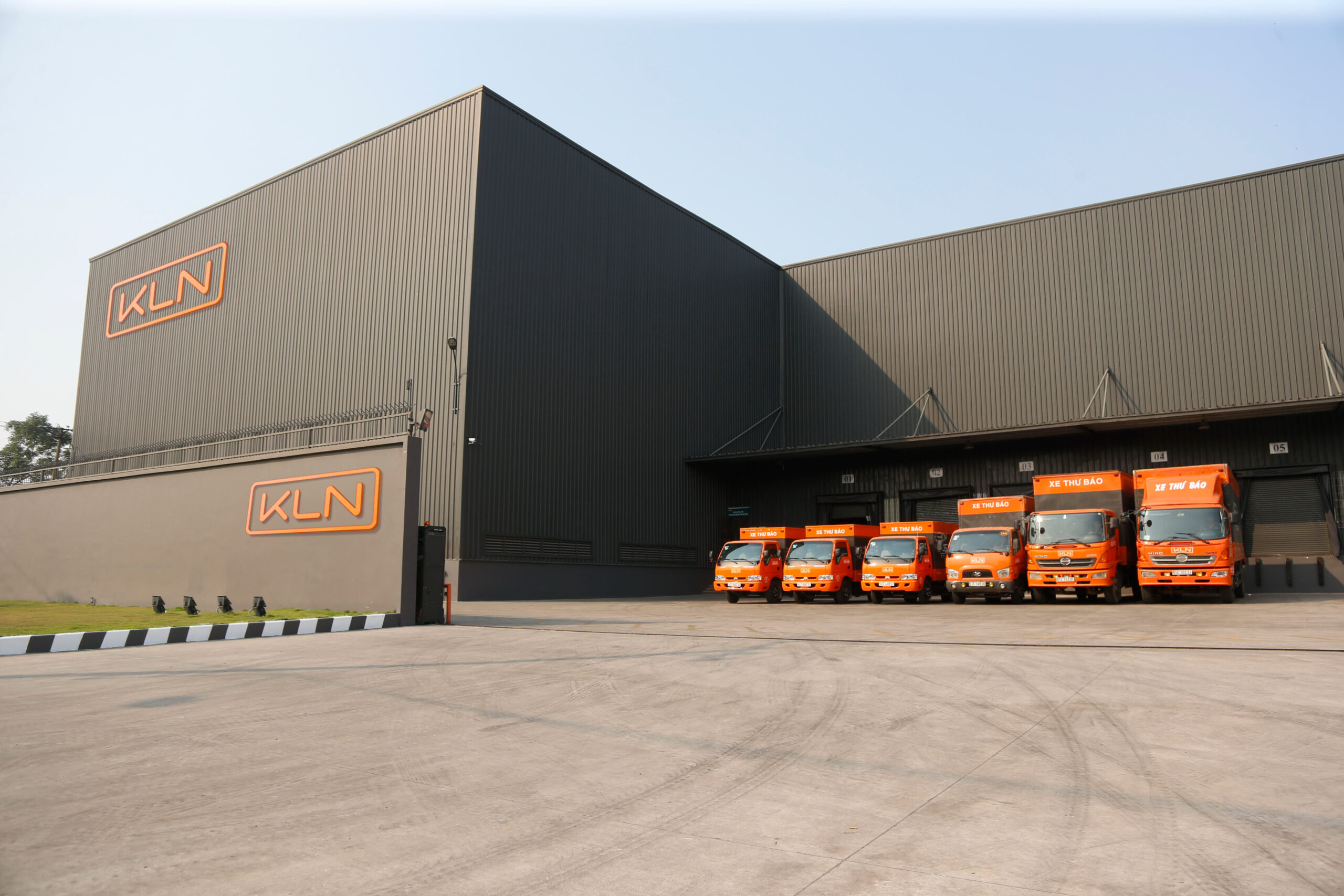
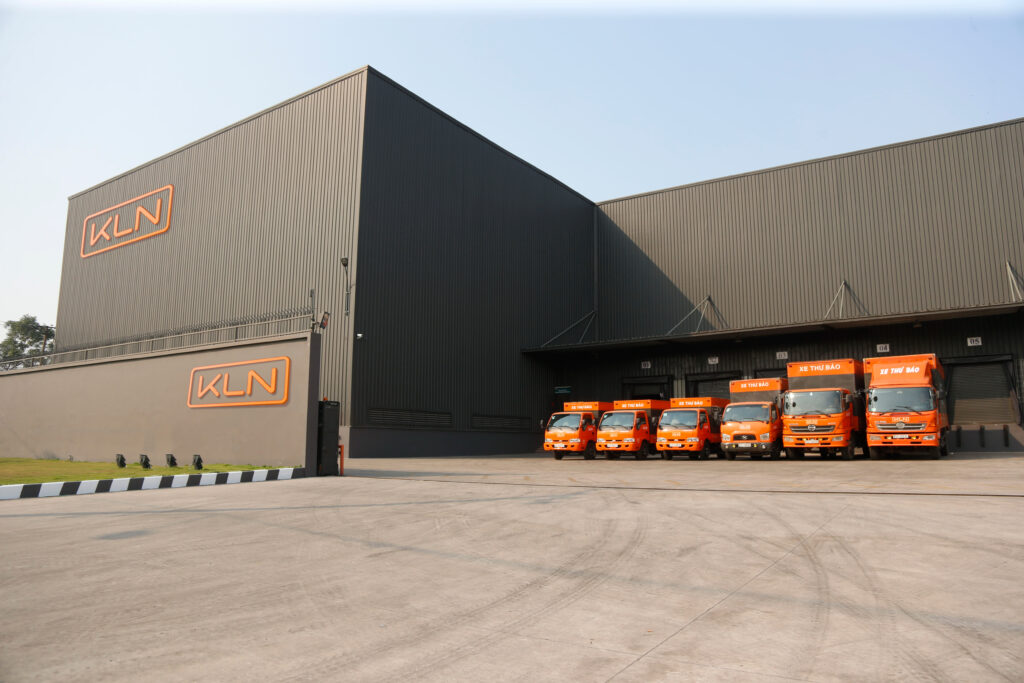
KLN Logistics Group Limited is at the forefront of Asia’s rapidly evolving e-commerce logistics revolution, where speed, precision, and digital integration are no longer optional but essential to success. Asia’s e-commerce market revenue is projected to reach approximately US$1.53 trillion in 2025, growing annually at around 7.7%, making it the global epicentre of e-commerce growth. Concurrently, Asia-Pacific air cargo demand, driven strongly by e-commerce volumes, grew by roughly 11% year-on-year in mid-2025, reshaping regional logistics capacity and flows. KLN is aggressively scaling its fulfilment capabilities using automation and smart warehouses. At the same time, it pioneers cross-border digital platforms to deliver fast, flexible, and reliable service. Through this strategic transformation, KLN is emerging not just as a service provider but as a key enabler of Asia’s digital trade future.

“Strategic rebranding, regional hub expansion and partnership moves, including building-controlled airfreight networks and growing the group’s pan-Asia footprint, pushed KLN to make e-commerce an important portfolio of our service offerings,” says Wong Siew Loong, Chief Operating Officer of KLN. “KLN’s development of its own controlled network (Kerry Freight Controlled Network) and expansion of hubs and domestic distribution centres exemplify this strategic shift.”
The move gained further momentum through integration with SF-related groups and a rebranding that positioned KLN for a bigger role in global e-commerce flows. Investments in fulfilment and warehousing infrastructure are accelerating this pivot, allowing KLN to capture cross-border growth opportunities at scale.
Delivering results amid market shifts
This pivot has not only been strategic but also financially impactful. In its latest earnings, KLN posted double-digit growth in core net profit in the first half of 2025, outperforming peers despite global market headwinds. The results reflected not just cost discipline but the strength of KLN’s diversified portfolio and the resilience of its e-commerce and logistics solutions.
According to Wong, partnerships have been key to this resilience. A notable example is the collaboration with SF Express and Etihad Cargo to launch cargo operations into Abu Dhabi, where KLN acts as the local logistics partner. “KLN supports import/export flow, handling customs brokerage, warehousing/distribution, last-mile connections, and network integration with SF’s flights,” Wong explains, highlighting how KLN has expanded its presence in the Middle East to connect Asia more seamlessly to global trade corridors.
Automation and smart warehouses
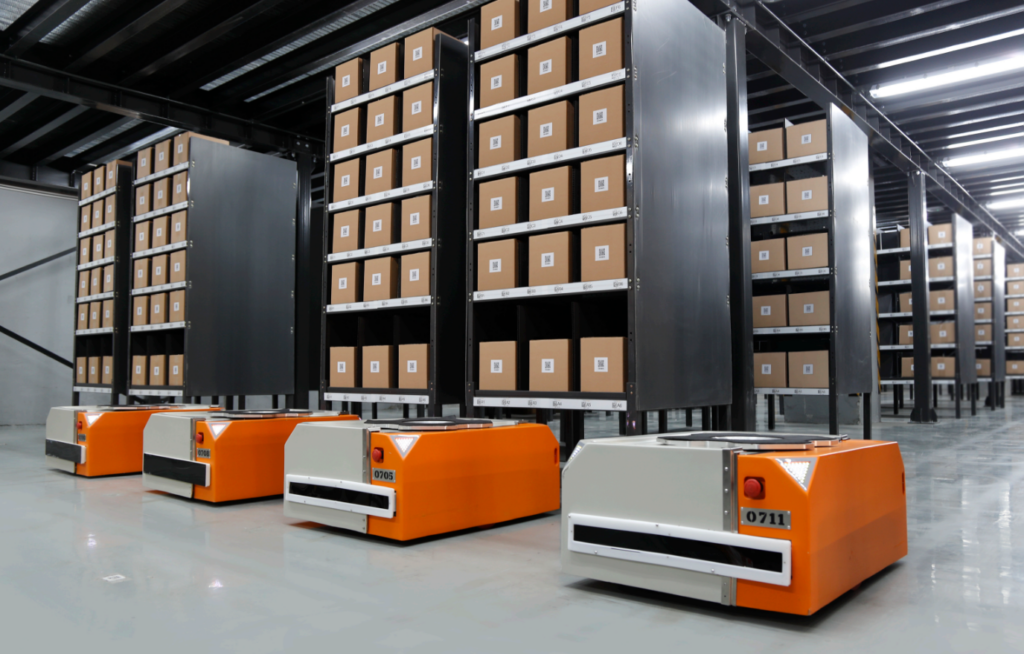
Technology sits at the heart of KLN’s e-commerce model. “KLN has deployed sorting robots and mobile-robot solutions in fulfilment centres to increase sort throughput, reduce manual errors and accelerate last-mile readiness — directly improving order cycle time and accuracy for fast-moving e-commerce categories,” Wong says.
Smart warehouses equipped with warehouse execution systems, automated sortation, and advanced inventory tools allow KLN to manage seasonal peaks with precision. By reducing lead times and improving order fill rates, these facilities enable the company to meet rising expectations for speed and accuracy across multiple Asian markets.
Cross-border platforms for seamless trade
With cross-border trade fueling much of Asia’s e-commerce growth—Asia Pacific is projected to hold nearly 30% of the global cross-border e-commerce market in 2025—KLN has been building digital platforms to integrate visibility, booking, customs, and fulfilment.
“The combination of owned networks plus digital tracking and partner APIs lets KLN offer end-to-end visibility and more predictable cut-offs for cross-border deliveries,” Wong notes. This orchestration enables KLN to work more closely with carriers, marketplaces, and customs agencies — a vital capability in a fragmented trade landscape.
The company has also introduced hybrid logistics solutions that respond to customer diversification needs. In 2025, KLN launched a China–Hong Kong hybrid model that combines bonded warehousing, cross-border connectivity, and customs facilitation to help global customers rebalance their supply chains. This approach underscores KLN’s ability to innovate in complex corridors and create flexible options for shippers.
Robotics, AI, and the next wave of innovation
KLN’s embrace of robotics is already delivering tangible results. “Sorting robots and deployments with partners are explicit examples where robotics materially increased sorting speed and accuracy for global apparel/retail customers,” Wong says. By reducing errors and shortening fulfilment cycles, these technologies directly enhance customer satisfaction.
Looking ahead, Wong sees a wave of new technologies reshaping logistics: “Game-changing tech [includes] wider adoption of autonomous mobile robots, AI optimisation for dynamic slotting and transport planning, advanced real-time visibility, predictive customs/clearance engines, and eventual wider use of electric/autonomous vehicles and drone delivery in niche corridors.” To prepare, KLN is piloting robotics, scaling smart warehouses, and investing in controlled networks that can integrate these tools at scale.
Regional growth and competitive edge
KLN’s strength lies in its strategic footprint across airports, gateways, and trade hubs. Its mix of owned and leased real estate, combined with regional hubs and dedicated airfreight initiatives, provides a competitive edge in offering flexible routing options and shorter transit times.
“This mix enables rapid trans-shipment, better slot control on e-commerce-centric flights and resilient routing during capacity shocks,” Wong emphasises. In practice, it translates into faster fulfilment and a stronger value proposition for customers demanding flexibility and speed.
Customer-centric solutions
Technology and data are not only used for efficiency but also to create customer value. KLN offers shippers visibility through real-time tracking, portals, and APIs, while using data-driven forecasting to dynamically allocate capacity. This enables more personalised solutions such as pop-up fulfilment for promotional campaigns or dedicated cut-offs for premium customers. “Data-driven forecasting and dynamic capacity allocation allow KLN to offer tailored solutions… while managing disruptions more agilely,” Wong explains.
Balancing growth and sustainability
Alongside customer-focused innovation, KLN is embedding sustainability deeper into its operations. Wong pointed to renewable energy adoption at facilities, emissions tracking, and efficiency measures across fleets and buildings. These initiatives are balanced with growth ambitions by driving efficiency, which lowers both cost and carbon per parcel.
The road ahead
Looking to the future, Wong envisions KLN as a pivotal global integrator within Asia’s logistics ecosystem. “KLN is positioned to act as a global integrator: scaling digital platforms and rolling out automation solutions that can be replicated across emerging markets, delivering greener fulfilment at scale, and leveraging its extensive hub network to shorten cross-border transit times,” he explains. Importantly, by continuously investing in robotics, AI, low-carbon transport, and interoperable digital APIs, KLN aims to elevate the baseline capability of Asia’s e-commerce logistics ecosystem and provide marketplace-level service guarantees.
Meanwhile, with financial performance that consistently outpaces the market, a proven track record of innovation, and an expanding regional footprint, KLN is poised to shape the next era of e-commerce logistics. Its blend of digital readiness, operational resilience, and sustainability commitment gives KLN the edge not just as a logistics provider but as a strategic partner driving transformation for Asia’s retailers and consumers alike.
This story was first published in the September-October 2025 issue of Payload Asia.