
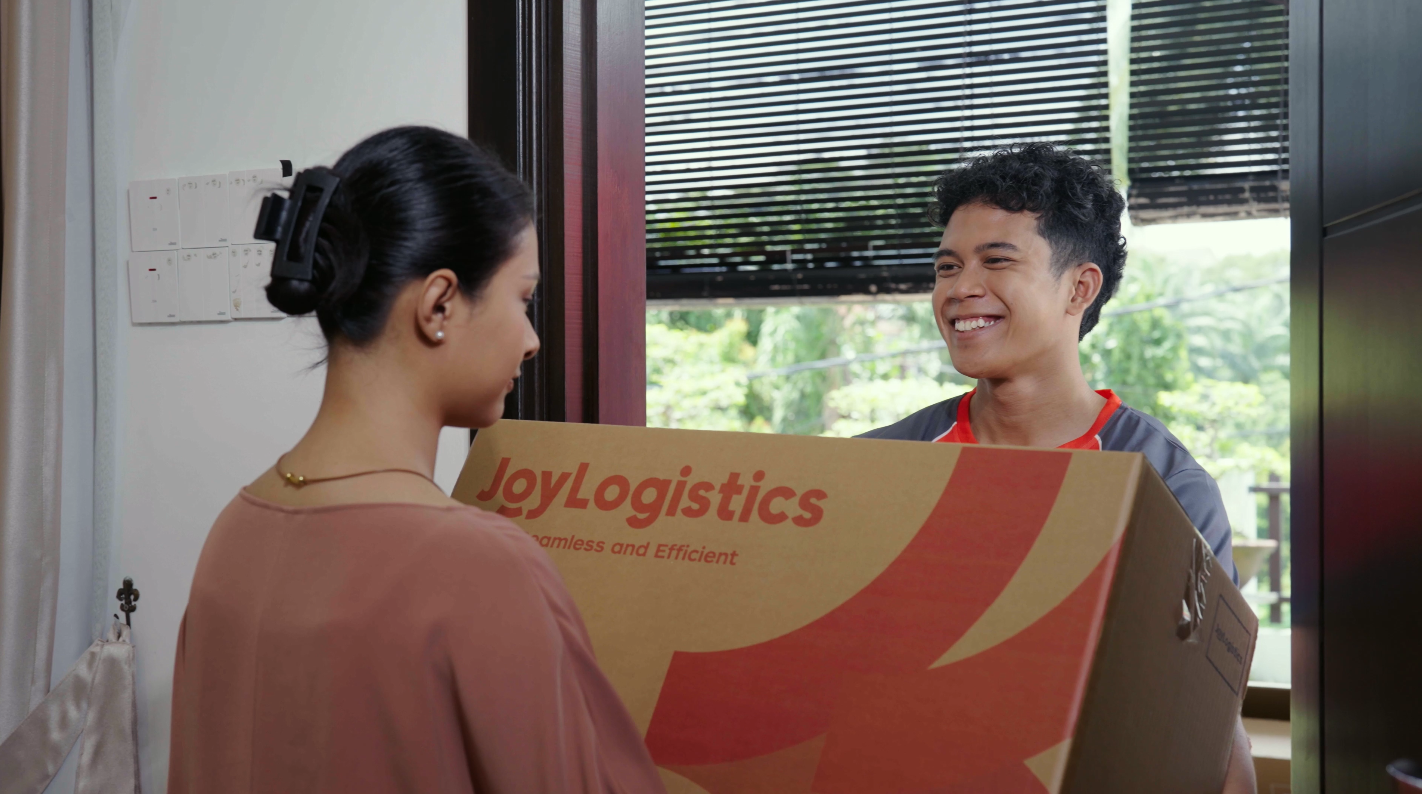
With Southeast Asia’s e-commerce market projected to reach US$410 billion by 2030, logistics providers are racing to build more agile, integrated, and technology-driven fulfilment networks. For JD Logistics, one of Asia’s leading supply chain and technology-driven logistics companies, the region’s rapid growth presents a timely opportunity to introduce new capabilities—starting with its expansion into bulky-item logistics in Malaysia and Singapore.
According to Raymond, Country Manager of JD Logistics in Singapore and Malaysia, the surge in online purchases of furniture, large appliances, fitness equipment, and home improvement products has outpaced the region’s infrastructure for handling oversized goods. “These categories cannot scale without professional bulky-item inventory handling and integrated delivery and installation services,” he explains. JD Logistics’ move into this segment directly addresses these gaps by offering an efficient, end-to-end solution integrating warehousing, delivery, installation, and after-sales support.
Why Malaysia and Singapore are strategic nodes
The company’s decision to launch bulky logistics in these two markets reflects their central role in Southeast Asia’s supply chain networks, supporting both domestic consumption and regional cross-border flows. JD Logistics aims to use these hubs not only as service centres but as anchors for a wider integrated fulfilment ecosystem across Southeast Asia.

In Kuala Lumpur, for example, the company already offers next-day delivery with installation for bulky items in key areas. In East Malaysia—where infrastructure challenges have historically meant 7–10 day delivery windows—JD Logistics expects to shorten transit times to 3–5 days as its regional network strengthens.
Embedding intelligence into bulky logistics
Bulky-item logistics differ markedly from standard parcel delivery: heavier loads, specialised handling, more demanding transport requirements, and in-home installation. JD Logistics responds with a single-team service model where trained specialists manage the entire process—from warehouse dispatch to on-site installation and testing. This approach improves coordination, reduces customer waiting times, and enhances service reliability.
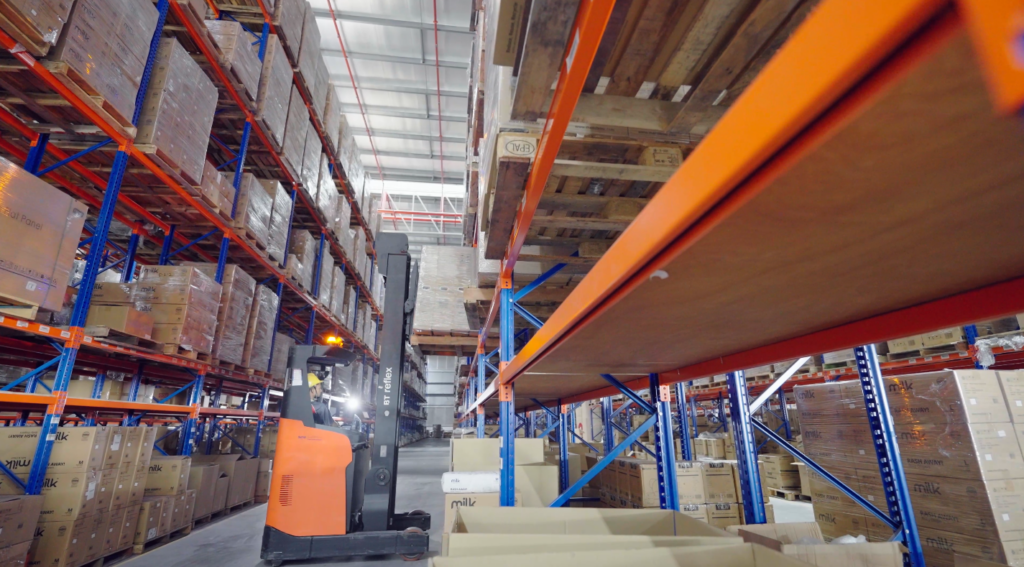
Technology underpins this transformation. JD Logistics leverages automation, AI, robotics, and intelligent warehouse tools across its global supply chain—and increasingly within Southeast Asia. Local facilities already use JD’s self-developed warehouse management system, featuring an intelligent weighing system that automatically captures cargo dimensions, weight, and volume via barcode scans. This boosts accuracy and efficiency, especially for oversized items.
Looking ahead, the company plans to introduce more advanced equipment and automated systems tailored to Southeast Asian customer needs, helping businesses reduce costs and optimise fulfilment speed.
A localised network powered by global expertise
While JD Logistics brings deep technological experience from China and its international hubs, it emphasises localisation at every step. “We hire and train local employees, collaborate closely with local logistics providers, and develop solutions tailored to local markets,” says Raymond. This balance ensures global standards are preserved while building solutions that fit regional environments.
Southeast Asia is already significant within JD Logistics’ global network. The company now operates over 130 overseas warehouses spanning Southeast Asia, East Asia, the Middle East, Europe, and the Americas. Its growing air cargo routes connect Vietnam, the Philippines, Bangladesh, Thailand, and Malaysia, enabling seamless cross-border fulfilment and faster delivery for businesses entering or scaling in the region.
Driving green and responsible logistics
Sustainability is a key pillar of JD Logistics’ strategy. Across its warehouses, the company deploys photovoltaic power, new energy vehicles, and a self-developed carbon management platform that visualises supply chain emissions. AI-driven modelling and smart hardware optimise routing, reduce fuel consumption, and enhance operational efficiency. JD Logistics plans to apply these solutions selectively in Southeast Asia to drive greener logistics practices.
Demand drivers: Big items, bigger expectations
The biggest growth opportunities lie in bulky categories such as refrigerators, washing machines, TVs, sofas, and cabinets—all seeing rising online penetration. As consumers increasingly upgrade their homes and shift larger purchases online, expectations for professional, in-home delivery and installation grow. This trend positions integrated bulky logistics as a necessity for the region’s maturing e-commerce market.
Positioning for 2026 and beyond
The fulfilment landscape in Southeast Asia is evolving toward faster, more localised delivery—two- to three-day delivery becoming standard, with same-day fulfilment emerging in dense urban areas. Businesses want bonded inventory options, smoother cross-border flows, and frictionless omnichannel logistics. To meet these demands, JD Logistics plans to strengthen its warehousing footprint, expand international air routes, and deepen express delivery capabilities.
In 2025, the company opened several self-operated warehouses and new air routes in Malaysia and Vietnam, with continued expansion planned across seven Southeast Asian markets. The focus ahead: integrated supply chain services, smarter warehouses, stronger cross-border networks, and specialised large-item delivery and installation—all designed to support the region’s rapidly evolving logistics landscape.
This story was first published in the November-December 2025 issue of Payload Asia.