
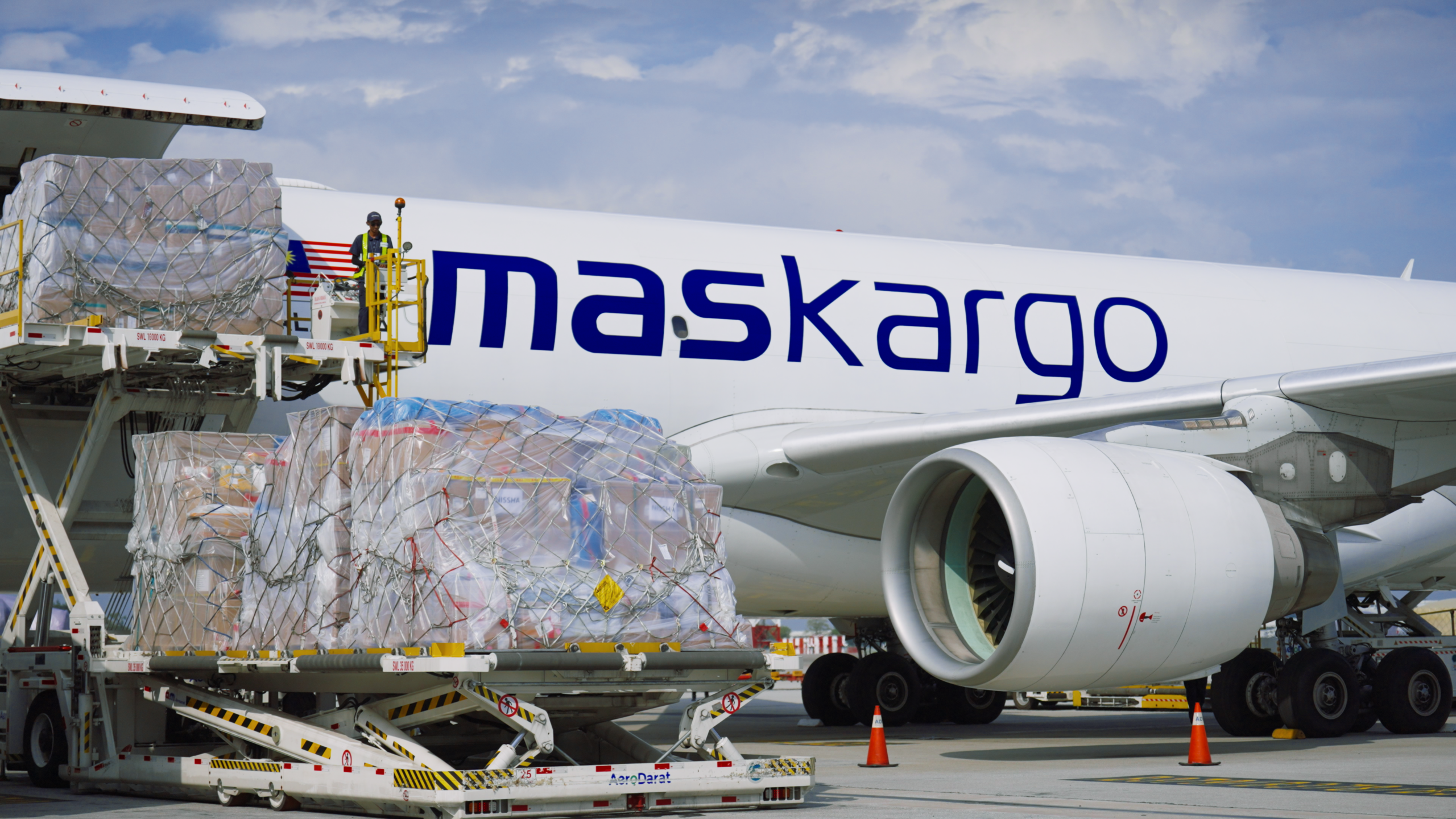
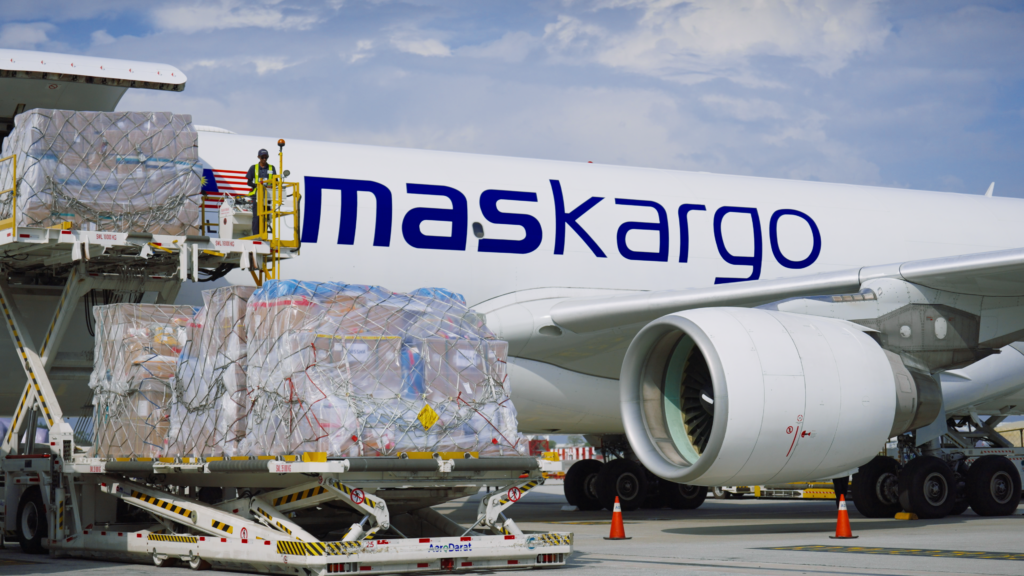
In air cargo, risk rarely comes from the skies—it happens on the ground, at handover points. For MASkargo, safeguarding cold chain and high-value cargo integrity across Asia Pacific begins there, through disciplined protocols, controlled environments, and coordinated processes that minimise temperature excursions and disruptions.
Across a region defined by varied infrastructure, regulatory frameworks, and operating conditions, maintaining that level of control requires more than standardisation—it demands consistency in execution.

“Integrity is built on control, consistency and accountability,” says Mohd Nadziruddin Mohd Basri, Chief Executive Officer of Aviation Services, Malaysia Aviation Group (MAG). That discipline translates into industry recognition. At the 12th Payload Asia Awards in Singapore, MASkargo was named Overall Carrier of the Year – Asia Pacific, underscoring its operational reliability and its ability to deliver specialised cargo services consistently across a complex regional network.


This edge is underpinned by a portfolio of specialised products designed around cargo-specific requirements rather than generic handling standards. Products such as MK Pharma, MK Fresh, MK Secure, and MK Live enable MASkargo to apply tailored procedures for pharmaceuticals, perishables, high-value shipments, and live animals—each governed by defined protocols for temperature control, security, and handling priorities.
Managing risk at handover points
Nowhere is this level of discipline more critical than at handover points, where shipments move between aircraft, terminals, ground handlers, and onward transport. These transitions, often compressed within tight turnaround windows, present the highest risk of exposure.
“Risk exposure is highest at custody transfers,” Nadziruddin notes, which is why structured protocols—complete with seals, shipment counts, and documented sign-offs—are enforced at every milestone.
Temperature-sensitive shipments are prioritised for rapid transfers and staged in controlled environments where available, reducing dwell time outside defined temperature ranges. High-value cargo is managed within restricted zones, while delicate consignments are handled with orientation controls and, where required, photo documentation to preserve condition and traceability across each movement.
Beyond airside handling, MASkargo extends this control through integrated logistics support. According to Nadziruddin, customs-bonded trucking with GPS visibility, warehousing support, and coordinated forwarding ensures that cargo remains secure and trackable as it moves between airport facilities, hubs, and final delivery points.
Temperature control across cargo types
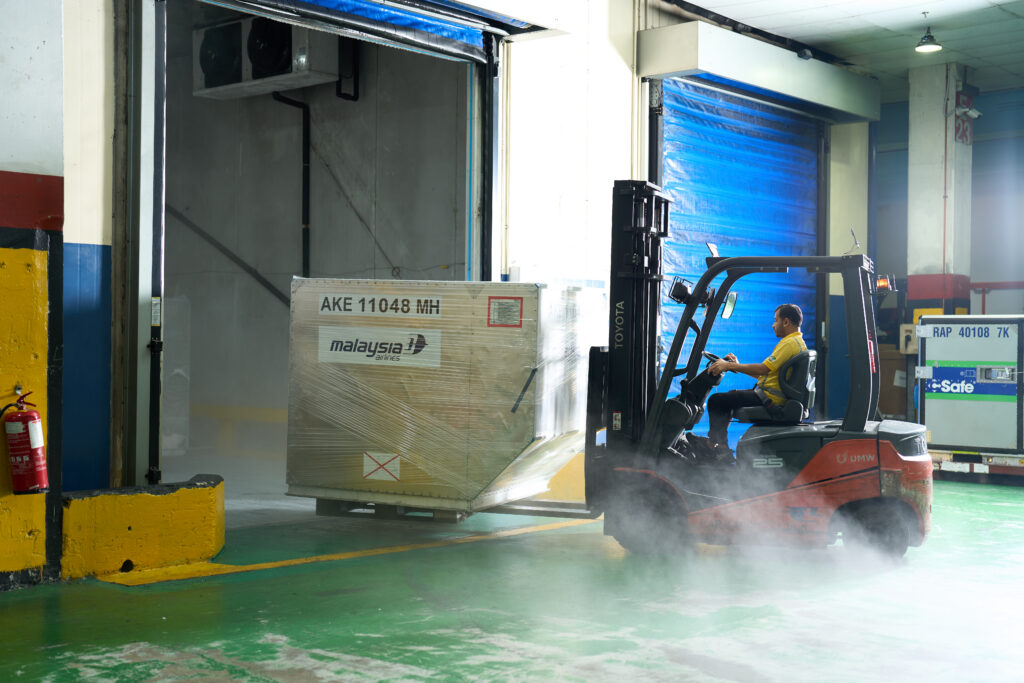
For pharmaceutical shipments, maintaining temperature integrity is both a technical and procedural exercise. Nadziruddin says MASkargo supports defined temperature ranges such as +2–8°C, +15–25°C, and frozen conditions, with handling processes aligned to Good Distribution Practice (GDP) standards. Prioritised cut-off times and time-critical handling further reduce the risk of temperature excursions during transfer and storage.
Perishable cargo follows similarly stringent controls, guided by IATA’s Perishable Cargo Regulations (PCR). Temperature-managed storage areas and expedited transfers between aircraft and ground facilities help preserve product quality, particularly for shipments moving across multiple climate zones within the region.
Consistency across a diverse region
Maintaining these standards across the Asia Pacific requires careful coordination between central oversight and local execution. Nadziruddin explains that MASkargo applies internationally aligned SOPs, including IATA frameworks, and routes shipments through qualified lanes based on station capabilities—ensuring that infrastructure and handling requirements are matched at every stage of the journey.
Continuous training plays a critical role in sustaining this consistency. Nadziruddin adds that ground teams and partners are aligned through shared procedures, documentation standards, and product-specific training covering GDP principles, time- and temperature-sensitive handling, security protocols, and live animal regulations.
Special care for live animal cargo
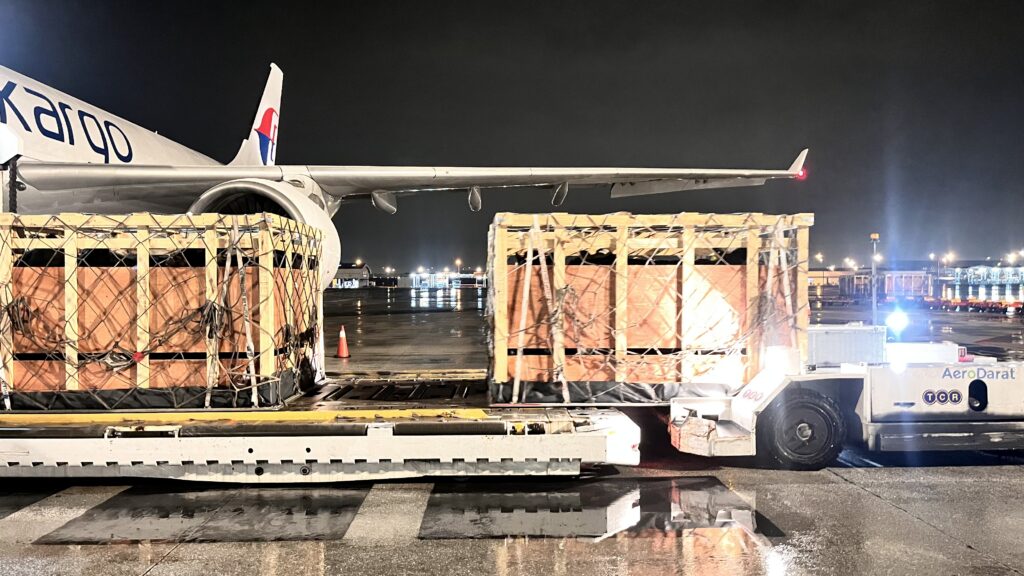
For live animal shipments, precision is paired with welfare under MK Live. Shipments follow IATA Live Animals Regulations, with pre-booking assessments covering species, routing, and climatic conditions. Dedicated “Animal Hotel” facilities provide calm, climate-controlled staging with minimal dwell time, supported by trained teams conducting regulated care checks.
Staying resilient during disruptions
Disruptions—whether caused by weather events, capacity constraints, or schedule changes—introduce additional complexity for temperature-sensitive cargo. Nadziruddin says risk mitigation begins at booking through optimised routing and simplified transfer points.
When disruptions occur, shipments are prioritised for re-accommodation under MK Priority, enabling faster connections and next-flight solutions. Temperature-sensitive cargo may be reassigned to controlled storage, while high-value shipments remain secured within restricted facilities. Coordinated trucking and warehousing support further stabilise cargo flows during irregular operations.
Digital visibility and control
Digitalisation underpins much of this operational visibility. Nadziruddin notes that milestone alerts, GPS-enabled trucking, documented custody logs, and structured notification protocols enhance traceability across both air and ground segments.
As supply chains become more complex and time-sensitive, real-time visibility becomes critical—not only for compliance, but also for enabling faster response and maintaining customer confidence.
Balancing growth with operational discipline
Looking ahead, Nadziruddin points to a landscape shaped by both opportunity and uncertainty. While demand for e-commerce, advanced manufacturing, and time-sensitive trade remains strong, geopolitical tensions, evolving regulations, and airspace disruptions continue to reshape routing patterns and operational planning.
“Carriers must therefore balance agility with discipline,” Nadziruddin says, highlighting the growing need for precision in handling specialised cargo such as pharmaceuticals and high-value shipments despite tighter timelines and more complex rerouting scenarios.
For MASkargo, this environment underscores the importance of resilient network design, strategic connectivity, and integrated logistics capabilities. “Our focus remains on strengthening operational flexibility and delivering secure, reliable solutions that support evolving trade flows across Asia Pacific and beyond,” Nadziruddini adds.
This story was first published in the March-April 2026 issue of Payload Asia.