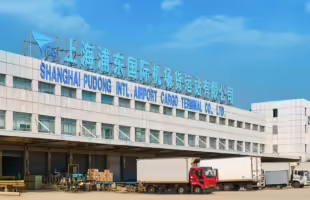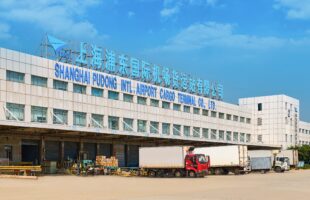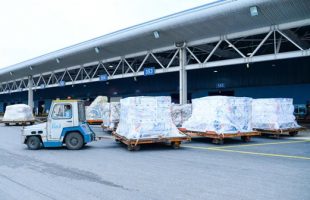


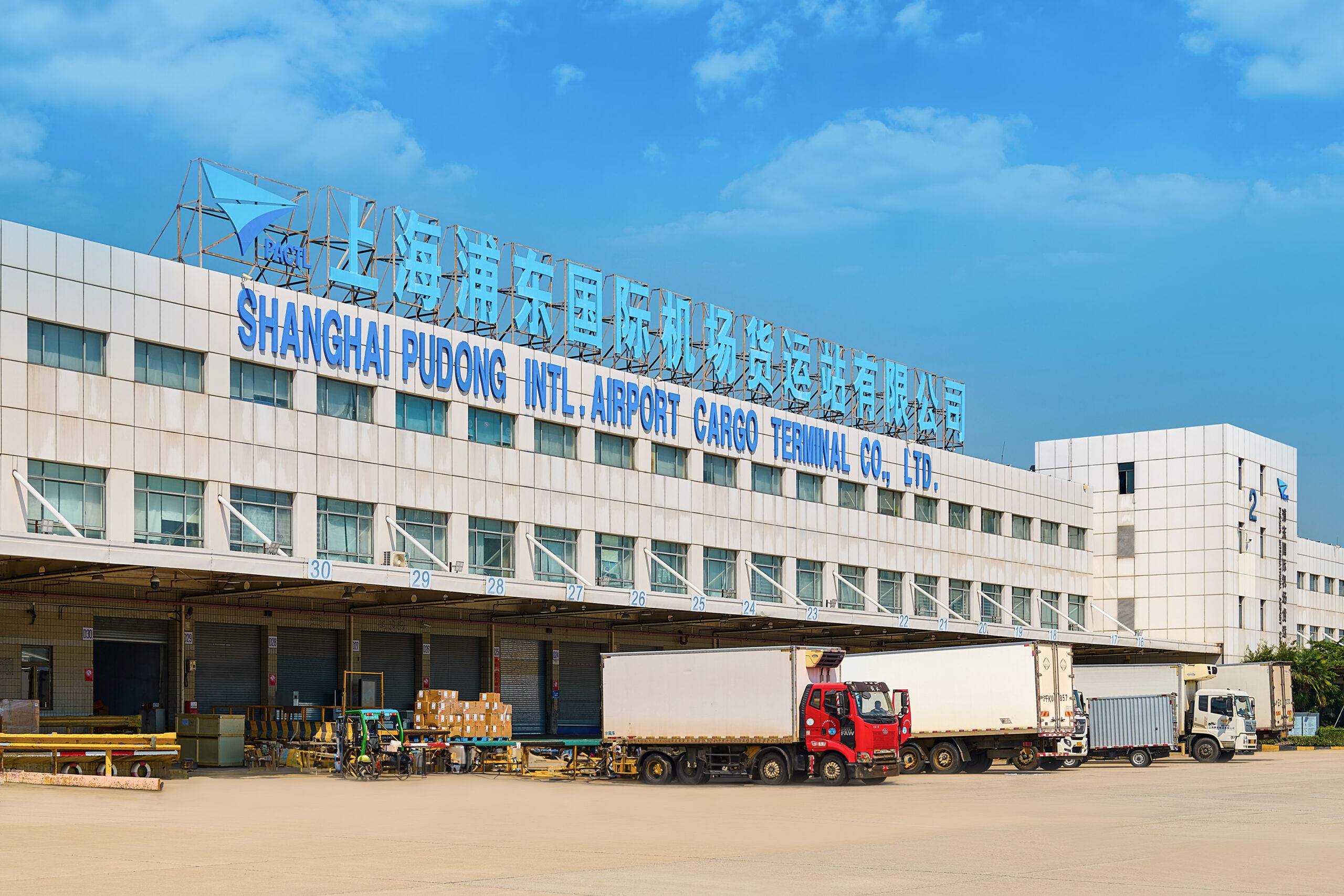
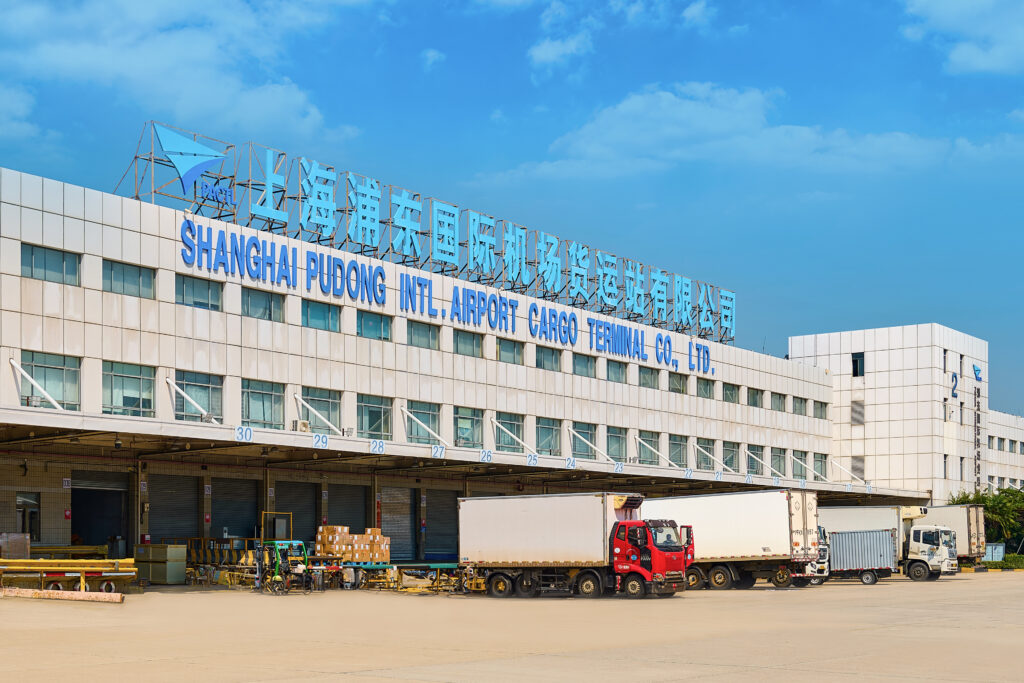
As global supply chains grow more complex, the role of cargo terminals is evolving beyond handling into enabling precision, compliance, and connectivity. At Shanghai Pudong International Airport, one of the world’s busiest air cargo gateways, PACTL is strengthening its capabilities in pharmaceutical and temperature-sensitive logistics, supported by ongoing investments in cold chain infrastructure and internationally recognised standards in security and sustainability.

In this Q&A, Carsten Hernig, Deputy General Manager, VP Sales & Marketing and Production at PACTL, shares insights on evolving cargo demands, digital transformation, and how the terminal is reinforcing its role in supporting Shanghai’s position as a global cargo hub.
Payload Asia (PA): Shanghai Pudong International Airport is one of the world’s busiest air cargo gateways. How does PACTL support the airport’s role as a major global cargo hub?
Carsten Hernig (CH): At PACTL, we see ourselves as an enabler of connectivity, ensuring cargo moves seamlessly, safely, and on time.

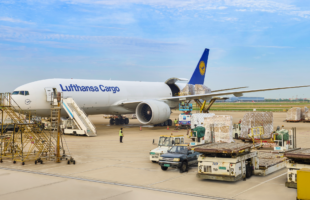
We reinforce Shanghai Pudong International Airport’s position as a global hub through scale, reliability, and precision. With a designed annual handling capacity of over 2 million tonnes, supported by extensive infrastructure and 24/7 operations, we provide airline and logistics partners with a stable and efficient gateway.
Our well-developed transit services enable smooth cargo connections across regions, while our support for industry initiatives such as ONE Record contributes to a more connected and transparent cargo ecosystem.
Working closely with airlines, forwarders, and authorities, we help facilitate efficient cargo flows and attract new traffic, reinforcing Shanghai’s role in global trade.
PA: What key trends are you currently seeing in air cargo demand through Pudong, particularly for specialised cargo segments such as pharmaceuticals and perishables?
CH: We are seeing continued growth in specialised cargo, particularly pharmaceuticals, perishables, dangerous goods, and other high-value shipments. These segments are increasing not only in volume but also in complexity and handling requirements.
For pharmaceuticals, the focus is shifting towards stricter compliance, tighter temperature control, and greater end-to-end visibility. Perishables are becoming more diversified, with growing demand for speed and freshness, while the rise in dangerous goods—especially lithium batteries—is placing higher requirements on safety standards.
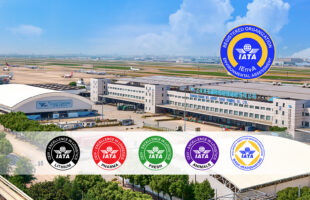
At PACTL, specialised cargo is fully integrated into our operations, supported by dedicated facilities, trained teams, and CEIV-aligned certifications covering Pharma, Fresh, Live Animals, and Lithium Batteries.
Overall, the industry is moving towards higher standards of precision, compliance, and reliability, and we continue to evolve to meet these expectations.
PA: Pudong handles significant volumes of time- and temperature-sensitive shipments. How is PACTL strengthening its infrastructure and operational processes to support these specialised cargo flows, such as by expanding cool centres or implementing real-time monitoring systems?
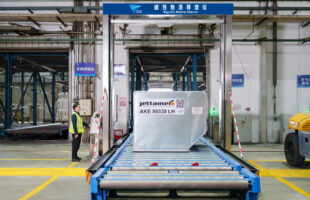
CH: To support this growing demand, our Cool Centre plays a central role, with dedicated temperature zones tailored to different product requirements. We are also upgrading our cold chain facilities at PACTL WEST to enhance capacity and handling efficiency further.
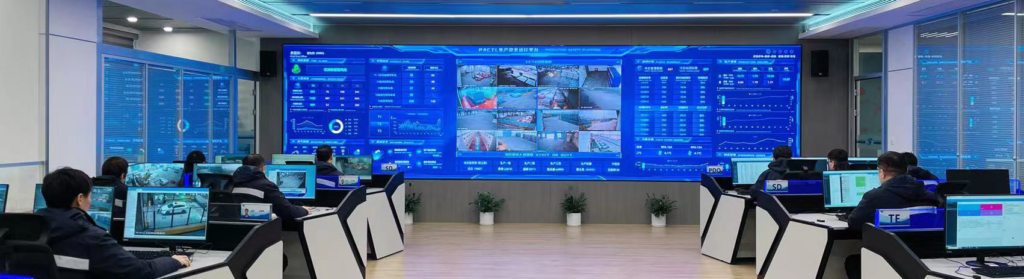
Operationally, we have strengthened standardised procedures, staff training, and 24/7 monitoring through our Security Monitoring Centre (SMC), ensuring full visibility and control throughout the handling process. Time- and temperature-sensitive shipments are prioritised, with clearly defined service standards, including a breakdown target of within three hours.
Our temperature-controlled solutions, ranging from -18°C to +25°C, combined with CEIV Pharma-aligned processes, ensure cargo integrity is maintained at every stage.
PA: Cold chain logistics continues to evolve rapidly. What investments or innovations has PACTL introduced to ensure temperature integrity and compliance for sensitive shipments such as pharmaceuticals?
CH: For us, cold chain is not just about facilities, but about building a reliable end-to-end ecosystem.
We have enhanced temperature monitoring systems, strengthened process controls, and work closely with airlines and forwarders to minimise risks throughout the handling journey. Our procedures are continuously refined in line with international standards and evolving customer requirements.
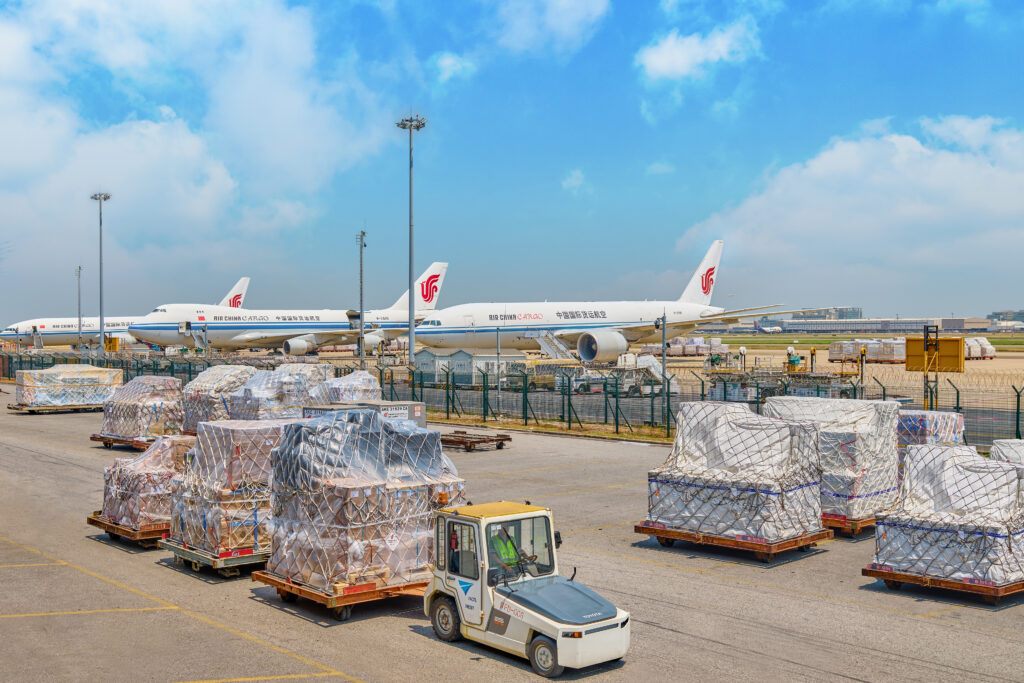
Our cold chain transportation includes actively temperature-controlled dollies capable of maintaining a range from +30°C to -30°C, supporting a wide range of temperature-sensitive cargo while ensuring integrity during the critical transfer between the warehouse and the aircraft.
We also continue to invest in infrastructure and IT systems to improve precision and visibility, supported by regular internal and external audits, including CEIV certifications, to maintain high levels of compliance.
Our focus is on risk prevention at every stage, reducing temperature excursions from acceptance through to delivery.
PA: Digitalisation and automation are becoming increasingly important in cargo terminal operations. What technologies is PACTL implementing to improve efficiency and cargo visibility?
CH: At PACTL, digitalisation is central to how we are evolving our operations.
At the core is our self-developed platform, Easy Cargo. With the launch of Easy Cargo 2.0, we have achieved full digital coverage of inbound and outbound operations, connecting the entire process chain—from online booking and cargo pick-up to real-time shipment visibility and automated reporting—reducing manual intervention and improving efficiency.
Our Security Monitoring Centre (SMC) complements this by providing 24/7 real-time visibility across key processes, enabling early detection of irregularities and coordinated response.
We are also deploying advanced technologies, including AI-supported safety alert systems and automated guided vehicles (AGVs) at our Dangerous Goods Warehouse at PACTL WEST to enhance handling efficiency and safety.
Looking ahead, we are supporting industry initiatives such as ONE Record to enable more integrated, end-to-end data sharing across the supply chain.
PA: How do these digital tools enhance coordination between airlines, freight forwarders, customs authorities, and terminal operators?
CH: Digital tools are transforming how stakeholders collaborate across the cargo chain by improving the accuracy, consistency, and accessibility of data.
Shipment information—including master and house air waybills and supporting documents—can be transmitted directly into our systems, reducing duplicate data entry and creating a reliable single source of truth for all parties involved. This enables airlines, freight forwarders, customs authorities, and terminal operators to access timely and accurate information, improving coordination, shortening processing times, and reducing operational uncertainty.
Looking ahead, initiatives such as ONE Record and the development of digital twins will further support end-to-end visibility and real-time synchronisation across the supply chain.
PA: PACTL recently became the first air cargo terminal in mainland China to achieve the IATA Environmental Assessment (IEnvA) certification. What were the key initiatives that enabled the terminal to meet these standards?
CH: Achieving IEnvA certification reflects a long-term commitment to embedding sustainability across our operations, rather than a one-time initiative.
At PACTL, we have implemented a range of measures to reduce our environmental footprint, including the transition to electric forklifts, expansion of on-site photovoltaic power generation, and upgrades at PACTL WEST with energy-efficient technologies such as LED lighting and intelligent energy management systems.
Digitalisation also supports our sustainability goals, with paperless processes through our Easy Cargo platform improving efficiency and reducing manual documentation.
Equally important is our structured environmental management approach, supported by continuous monitoring, internal alignment, and adherence to international standards to ensure consistent implementation and ongoing improvement.
PA: How has achieving IEnvA certification influenced PACTL’s operations, partnerships, or customer demand?
CH: The certification has reinforced our internal standards and also strengthened external confidence.
Operationally, it has helped us further structure and standardise our environmental practices. From a partnership perspective, it aligns us more closely with airlines and customers who are increasingly focused on sustainability.
We also see growing interest from customers who value environmentally responsible partners. In that sense, sustainability is no longer just a responsibility; it is becoming a shared expectation across the supply chain.
PA: From a cargo terminal perspective, where do you see the biggest opportunities for improving sustainability across air cargo operations today?
CH: One of the biggest opportunities lies in stronger collaboration across the value chain. Meaningful progress depends on closer coordination between airlines, ground handlers, freight forwarders, and other partners to reduce paper use, optimise resources, and improve operational efficiency.
Energy management is also a key focus, particularly for temperature-controlled facilities where demand is high. Improving energy efficiency, expanding the use of renewable sources, and applying smarter energy management practices can deliver a significant impact.
We also see practical opportunities in the wider adoption of battery-powered equipment and stronger recycling practices, particularly for loading materials.
Digitalisation remains an important enabler, helping reduce unnecessary processes while supporting more precise planning and resource allocation.
PA: Looking ahead, what are PACTL’s key priorities for strengthening its cargo handling capabilities and supporting Shanghai’s continued growth as a global air cargo hub?
CH: Our priorities are centred on strengthening both infrastructure and service capabilities to meet increasingly diverse and specialised customer needs.
A key focus is the continued upgrade of PACTL WEST, including enhancements to our ETV, cross-border e-commerce cargo handling centre, and cold chain facilities to improve efficiency, safety, and capacity for specialised cargo.
At the network level, we are expanding our transhipment capabilities and enhancing transit operations, while exploring off-airport terminal solutions to build a more flexible and resilient cargo network.
Digitalisation and standardisation remain key pillars. We will roll out the next phase of Easy Cargo, implement Cargo iQ standards, and adopt ONE Record to enhance transparency, efficiency, and end-to-end visibility.
At the same time, we will deepen international partnerships to unlock new opportunities and further strengthen Shanghai’s position in the global air cargo network.
This story was first published in the March-April 2026 issue of Payload Asia.