


The issue of lithium battery shipments onboard freighters and the belly holds of passenger aircraft is again at the forefront of safety concerns as Christmas approaches and the volume of electronic gadgets relying on lithium batteries surges.
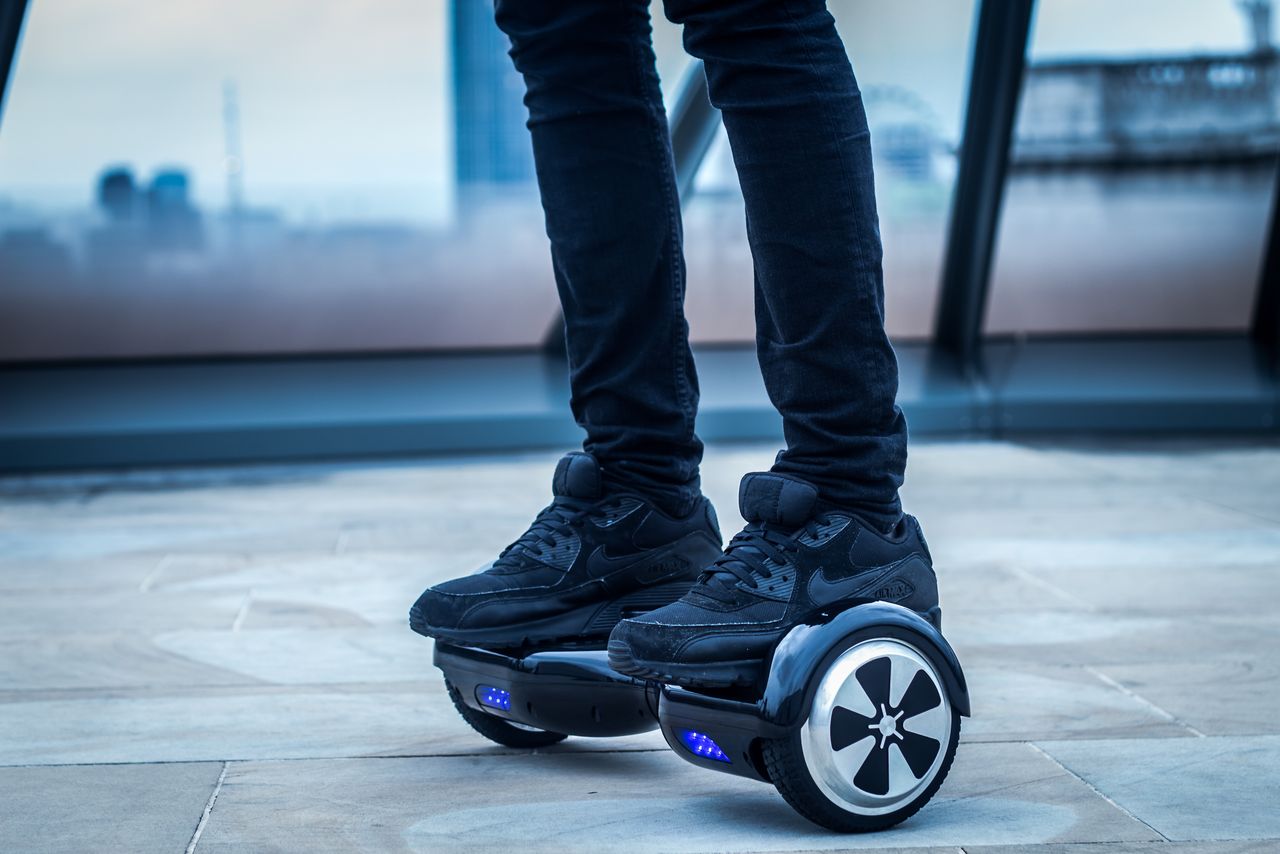
The latest ‘problem child’ is this year’s toy of choice, the so-called ‘hoverboard’, a two-wheeled transportation device that relies on a larger-capacity lithium-ion battery around 42,000-mAh. Numerous reports of the devices catching fire and even exploding while charging have prompted regulators in UK, for instance, to seize nearly 17,000 of the boards which following testing were shown to be more than 88 per cent defective.
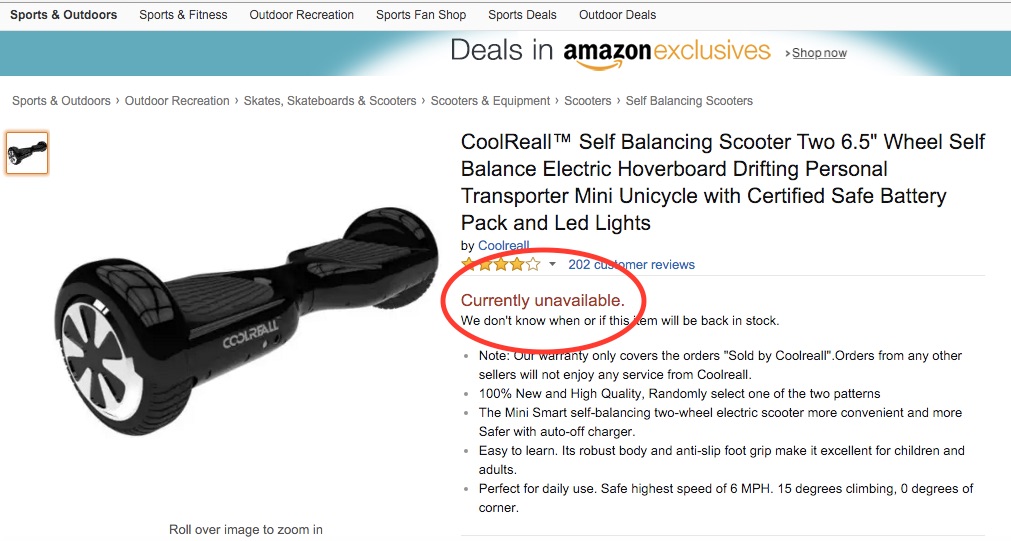
A number of airlines have banned the carriage of the boards – ironic considering the fact they can be purchased in airport duty free outlets around the world. And from late last week Amazon has been scrutinising hoverboard standards, sending out a notice to all hoverboard sellers to “provide documentation demonstrating that all hoverboards you list are compliant with applicable safety standards, including UN 38.3 (battery), UL 1642 (battery), and UL 60950-1 (charger).” Since then more than 97 per cent of the boards have been pulled from Amazon’s virtual shelves.
Speaking to cargo media in Geneva, Dave Brennan, assistant director cargo safety and standards for IATA, said he is aware of carriers being approached by a manufacturer of the hoverboards in China seeking to charter two B747 freighters to carry nothing other than the devices to the US and European markets.
Complex problem
The lithium battery problem is a complex and multifaceted one, Brennan notes because it involves a mix of responsible battery manufacturers, shippers and freight forwarders alongside grey market manufacturers producing batteries of dubious quality, improperly packaged, declared and shipped. Adding complication is the plethora of e-commerce websites where ignorance of dangerous goods regulations is common, or worse still, outright flouting of the regulations is also common.
He adds that civil aviation authorities also need to get more involved by moving up stream to the forwarders and the shippers, but highlights its “bigger than only a transport issue” pointing to the sub-standard production of many lithium batteries where civil aviation authorities have no jurisdiction. “It’s a bigger issue because it involves government departments responsible for manufacturing and trade. It’s broader than just a civil aviation issue, it needs bigger government involvement.”
Brennan notes that 400 million lithium battery cells are manufactured each week (based on 2014 statistics) and the number is rapidly increasing each year. “More and more applications need lithium batteries – beyond simply mobile computing, laptops, tablets to e-bikes, hoverboards and even e-cars,” Brennan says.
E-commerce a problem
“We also see it in the growth of e-commerce with consumers buying online spare batteries, toys, mobile phones and other merchandise – so we see an increase in volume moving by air.
“A lot of these shippers are non-traditional DG shippers and a lot of them just don’t understand there are regulations around the transport of dangerous goods – not just by air. And unfortunately we also have some people that know the regulations, but avoid them because they can save themselves, or their customers some money.
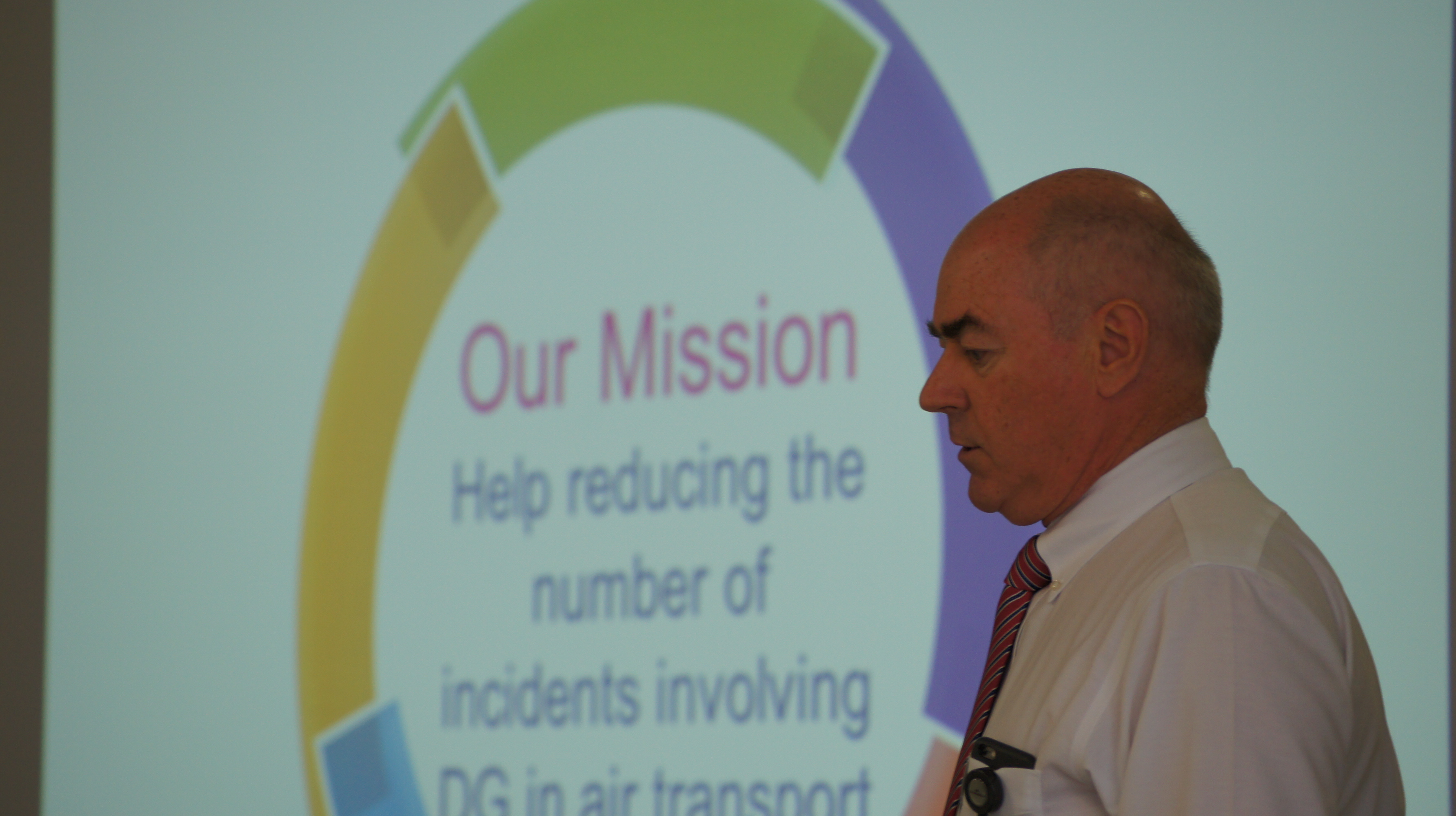
“So we’re seeing an increase in the number of incidents. What we are looking to do is see how we can, working with the industry and regulators, reduce the number of dangerous goods incidents in air transport.” This includes he said, looking at all aspects, including the cargo itself, ecommerce, post and the regulators.
“The airlines are at the end of the supply chain so we have to engage with everyone upstream – the handlers, the forwarders and of course the shippers. If the shippers get it right it makes life much easier for everyone else all the way down the supply chain,” he added.
Brennen notes that e-commerce is a huge challenge because people that sell on line many of them have no understanding of the regulations around things they sell. He also feels e-commerce sites haven’t done enough in making information available for sellers so that they understand the regulations.
IATA is also working with the ecommerce sites because as Brennan notes, “they need to make their customers aware of the regulations – we can’t force them – and its difficult to find regulatory compliance information on a lot of ecommerce sites, if they have it at all. It needs to be much more visible,” he says.
“If you go to any website there are thousands of batteries for sale and if you click to buy they will send to you by ordinary post even though international air mail prohibits the movement of these batteries.
“So we also have a disconnect on the post offices,” adding that IATA is working closely with the Universal Postal Union (UPU), “they understand the problems that the posts have,” he said.
“The people at the post office need to understand, they need to ask questions,” he added, saying the UPU is developing educational material in this regard.
“But at the end of this, nothing works unless the governments who regulate this, actually enforce the regulations,” he adds crucially.
DG education
IATA has been conducting workshops and recently completed a series in Asia including Indonesia, Thailand, Philippines and China where one day covered dangerous goods and a half day was dedicated just to lithium batteries because China is such a huge source of lithium batteries and lithium battery equipment – particularly from the Pearl River Delta city of Guangzhou.
Brennan highlights that the lithium battery associations also attend the workshops because they are concerned as their members who are trying to do the right thing – batteries properly manufactured, tested, quality assurance, proper shipping, etc – end up with problems because of the irresponsibly people in the industry. “It’s the good in industry that are being penalised by the people who are not doing the right thing.
IATA is also working to support airlines in performing safety risk assessments before carrying lithium batteries and is currently working to develop a safety risk assessment toolkit for airlines.