
The rapid rise in e-commerce has led to higher customer demand for timeliness and flexibility in logistics services, creating new challenges and opportunities for the entire industry.
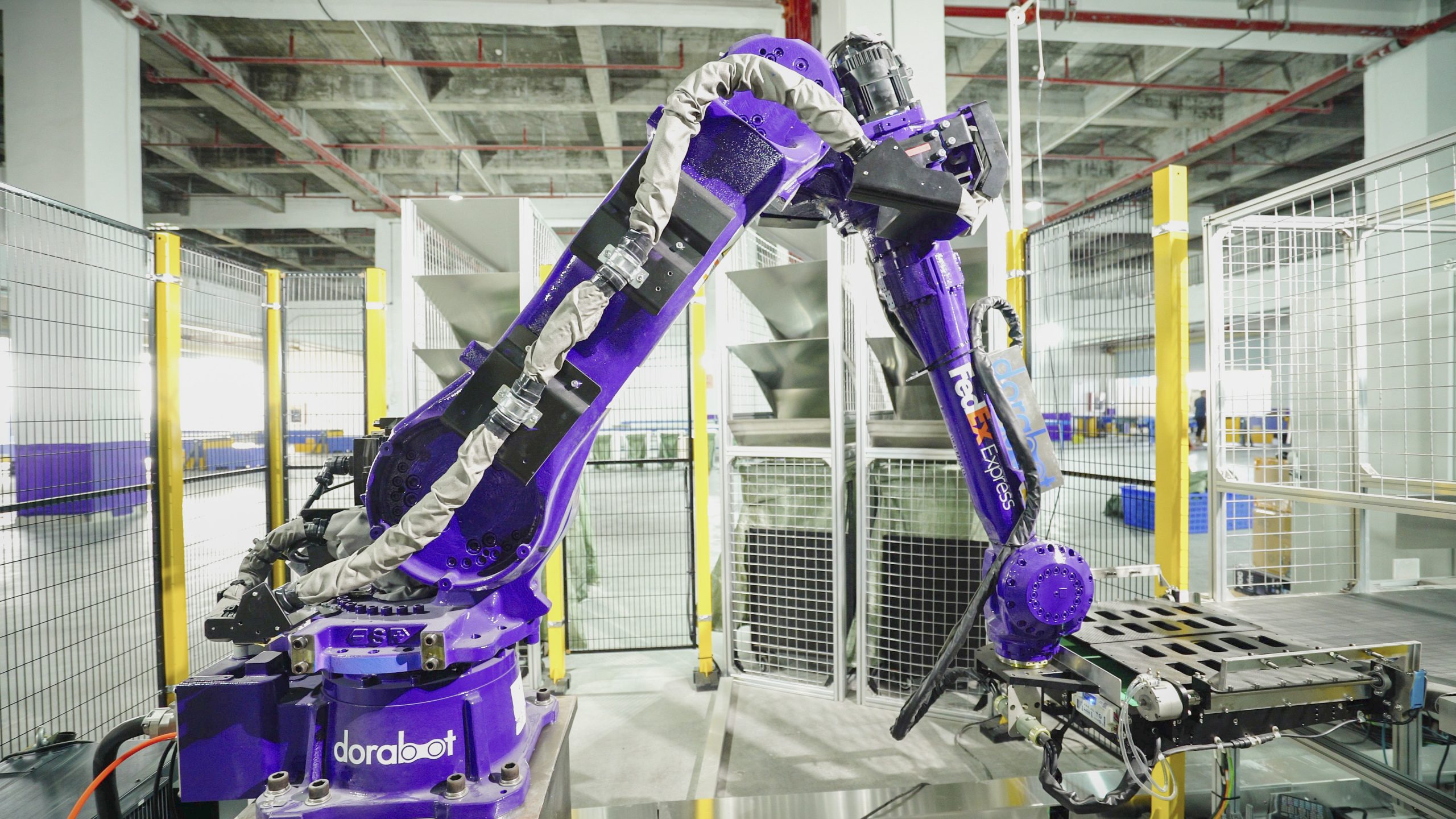
The speed with which a parcel can be picked up and delivered to doorsteps has become a ‘considering factor’ for integrators like FedEx to test and develop new advancements and technologies like sorting robots in warehouses and unmanned delivery vehicles in urban cities.
In this interview, Payload Asia talks to Kawal Preet, president, Asia Pacific, Middle East, and Africa (AMEA) at FedEx Express, as she shares her insights on current industry trends, as well as the company’s newly launched digital products.


Having just delivered on a strong peak season, what are some of the expectations that FedEx has observed from clients and customers, particularly in e-commerce?
We are proud of our 600,000 team members who worked tirelessly to deliver the best possible service worldwide this holiday season. In Asia Pacific, a region that accounts for more than 60% of online retail sales, demand for e-commerce is set to grow in 2022. Meanwhile, consumers’ expectations for speedy, convenient and personalized delivery experiences are rising. On average, consumers expect goods to be delivered within 2 to 3 days. Most consumers expect to know when exactly and how their items will be delivered before making any purchase decision.
We continue to strengthen our capabilities to support businesses. For example, we recently launched a new service option—FedEx International Priority® Express (IPE)—that offers customers who ship internationally the flexibility to schedule delivery by 10:30 am or noon to select destinations worldwide. With the addition of this new service, businesses across the region can now select the right delivery option that suits their needs with expanded choices giving them enhanced convenience and flexibility.
We also continue to strengthen our e-commerce capabilities by bringing more advanced solutions such as FedEx Delivery Manager International (FDMi) that allows e-tailers to provide added convenience to end customers with more visibility and customization options on delivery services. As we move into a new world of expanded e-commerce, we will continue to develop innovative solutions to meet the demand.
Why is there a heightened focus on SMEs particularly for logistics players? Is there big business from small businesses?
FedEx has long been a strong advocate for SMEs and supports the small and medium business community; we believe they are the growth engine of any economy. In Asia Pacific, SMEs comprise over 97% of enterprises across the region. Throughout the pandemic, SMEs have been disproportionally affected by the coronavirus, being hit the hardest. But it’s encouraging to see resilience in SMEs and how agile they have been in shifting their business models, digitizing and pivoting to e-commerce to boost growth. In fact, nearly 70% of SMEs in the region are stepping up digital transformation. With digital maturity, SMEs could contribute approximately US$3.1 trillion to the region’s GDP by 2024. At FedEx, we continue to tailor solutions that will empower SMBs to compete and win in the dynamic e-commerce marketplace.
Our latest Compatible Solutions Provider program is designed to enable SMEs shifting to an online business model to gain instant access to enhanced and affordable shipping solutions, allowing them to sell effortlessly on e-commerce platforms.
For FedEx, is there still room to grow in Asia Pacific? How important are local players when expanding into new territories?
The Asia Pacific logistics market is the world’s largest and represents US$3.9 trillion in business. The pandemic has further accelerated the demand for reliable logistics services while cargo capacity remains strained due to unending waves of restrictions and lockdowns. Against this backdrop, we have made significant moves in expanding our Asia Pacific network. Last August, we launched six new flights enhancing connectivity and service reliability to the US and Europe, adding nearly 2,700 tons in capacity each week. In 2022, we’ll continue to optimize our network to cater to customers’ increased demand for express delivery services when expanding overseas. Our recent strategic alliance with Delhivery, a leading logistics and supply chain services provider in India, highlights our commitment to constantly innovate our services in emerging markets, and better support customers in local markets such as India who are looking to expand their footprint in the global marketplace.
What are the new technologies that can help logistics players keep up with the e-commerce demand and when do you see these technologies being brought into the market?
I see two technologies powered by big data analytics and machine learning that can boost the supply chain ‘digital-readiness’.
Robotics: Rising demand for on-demand services during the pandemic has triggered a wider adoption of service robots. Robots have gone from obscure and experimental tech to mainstream stalwarts of the service industry. The global delivery robots market is expected to grow at a CAGR of 30.3% from 2021 to 2030. At FedEx, we’re always modernizing our operations to stay ahead of the curve. To drive sustainable and intelligent logistics, we started testing an unmanned delivery vehicle in China through collaboration with Neolix, a leading company in autonomous technology. This is just the starting point of reimagining the future of logistics.
Artificial intelligence: Already being implemented in many parts of the supply chain, AI will show its full potential in digitizing supply chains in the future. As global supply chains are increasing in complexity, the margin for error is rapidly shrinking. AI-powered supply chains can help businesses predict uncertainties while maximizing profitability. Solutions like FedEx Surround will help companies drive breakthrough real-time inventory tracking and logistics management through data analytics, thereby achieving optimized operation. Through an “Intelligent” system, we can also monitor and flag issues or delays with shipments so we can resolve, minimize or prevent issues before they happen!
Have you seen other types of cargo that are not usually flown, now requiring air transport? What will be the trends that will drive air cargo growth in Asia Pacific?
As businesses seek to circumvent supply chain bottlenecks on sea freight, we continue to see strong demand for the movement of high-value goods via air cargo in our Express network. This trend is in line with the latest findings from the Association of Asia Pacific Airlines: freight capacity in Asia Pacific saw 20% YoY growth thanks to solid e-commerce orders for consumer goods and industrial components ahead of the holiday season. As the world navigates new COVID-19 variants, healthcare shipments will also be a key driver behind cargo growth. With nearly half of the world’s population still uninoculated, coupled with new demand for additional booster shots in many developed countries, we are ready to flex our network and leverage our time-definite delivery solutions, which will be so important in accommodating time-critical shipments, including critical medical supplies, in the year ahead.