
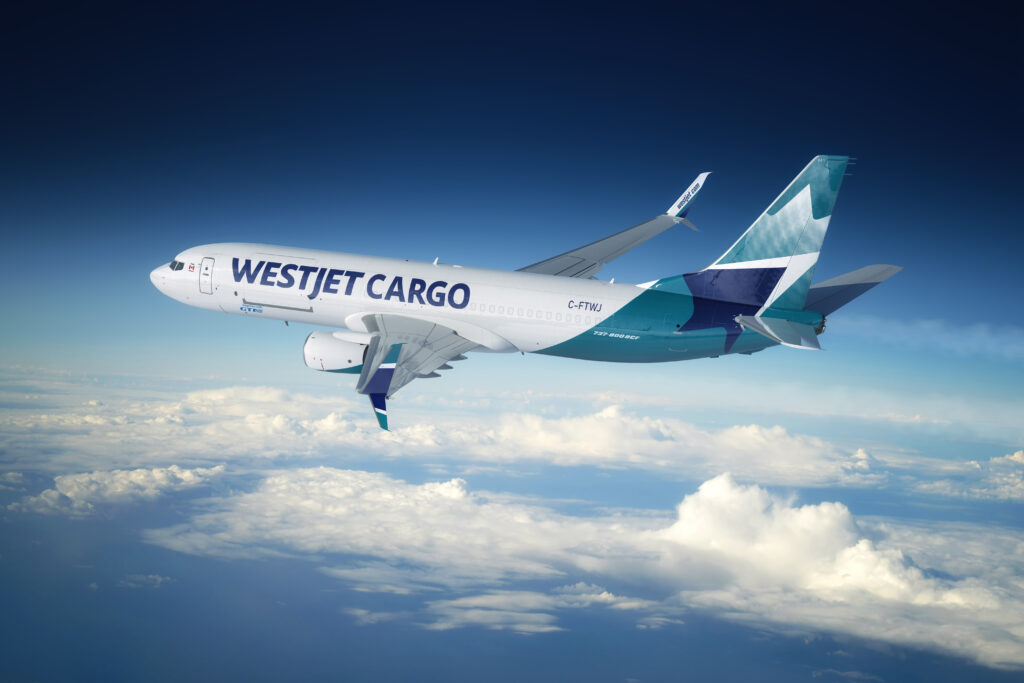
A specialised cargo plane touches down at midnight. Its cargo: a radiopharmaceutical with a six-hour half-life, racing against time to reach a patient across the globe. This is the high-stakes world of transporting dangerous goods and pharmaceuticals—where precision is paramount and the margin for error is zero.
In today’s complex cargo logistics landscape, ensuring safe and compliant transport of these sensitive materials isn’t just a priority—it’s an absolute necessity. Each shipment, be it volatile chemicals or temperature-sensitive medications, carries unique risks. A single oversight—a mislabeled package or slight temperature deviation—can trigger far-reaching consequences for public safety, the environment, and global supply chains.

As international trade expands, the logistics industry faces unprecedented challenges. Traditional methods are strained under growing demands while emerging technologies offer new solutions for safety and compliance. Meeting these challenges requires a coordinated effort from air cargo and logistics companies, regulatory bodies, and industry stakeholders, blending cutting-edge tech, rigorous safety protocols, and specialised training to navigate the intricacies of this critical field.
The stakes of safe transport

At the heart of the logistics industry’s safety efforts are the inherent risks posed by dangerous goods and pharmaceuticals. According to the International Air Transport Association (IATA), time and temperature are critical when transporting pharmaceuticals, with radiological medicines posing particular challenges due to their extremely short half-life. “When goods are being transported across the globe, there are wide temperature variations, far more than that permitted by health authorities for medical products,” says Brendan Sullivan, IATA’s Global Head of Cargo. This highlights the need for stringent temperature control and tracking solutions.

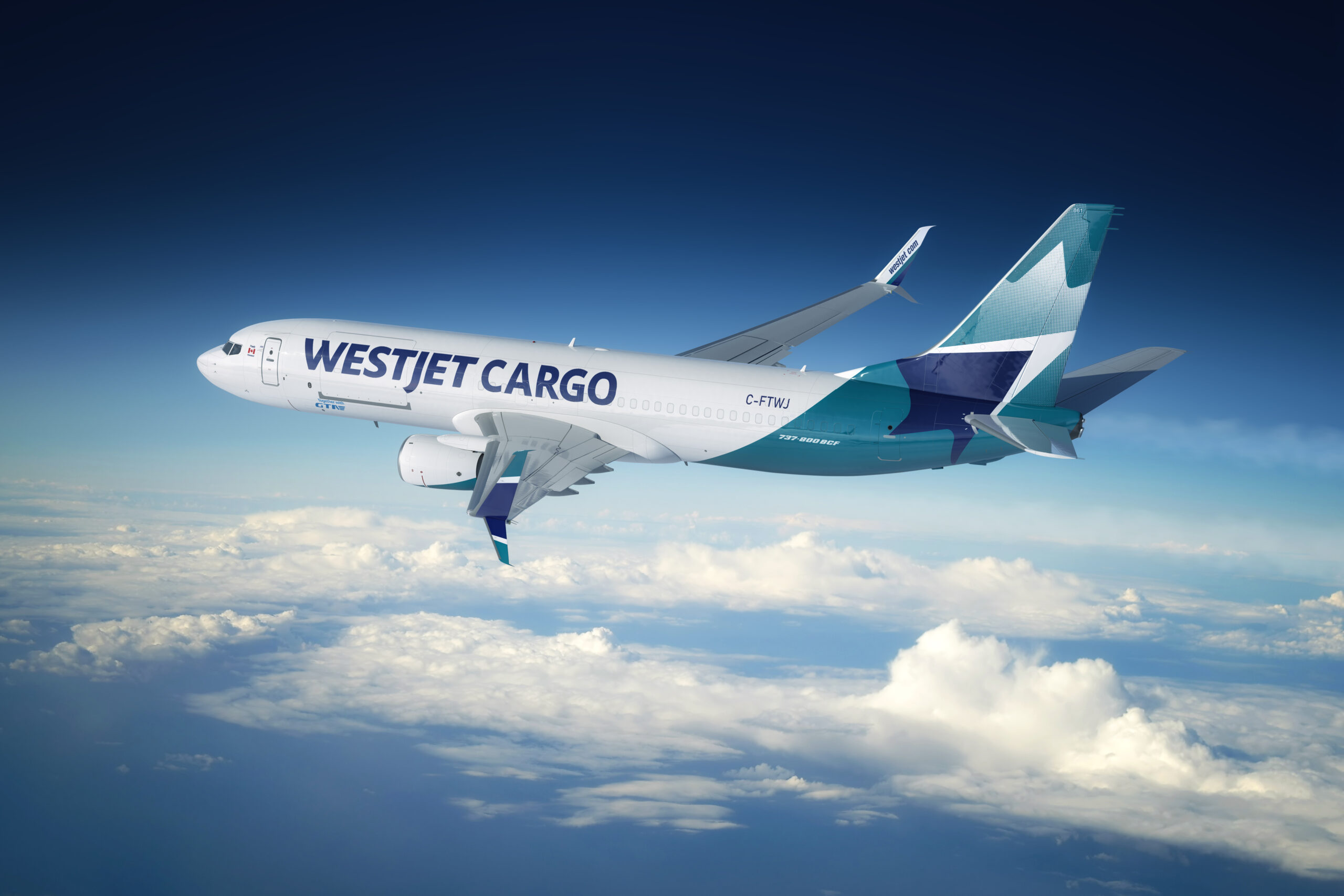
WestJet Cargo, for example, emphasises the importance of adhering to IATA’s Dangerous Goods Regulations (DGR). “We strictly follow IATA’s DGR to ensure the proper classification, packaging, labelling, and documentation of dangerous goods,” says Kirsten de Bruijn, Executive Vice President, WestJet Cargo, citing their comprehensive training programs and collaboration with regulatory bodies like Transport Canada Civil Aviation (TCCA).
Regulatory landscape
The regulatory framework governing the transport of dangerous goods and pharmaceuticals is a complex web of international, national, and industry-specific guidelines. IATA plays a key role in setting these standards. “We work closely with our members, governments, regulatory agencies, and specialised United Nations agencies, such as ICAO, to develop and improve upon these standards,” explains Brendan.
The annual updates to IATA’s Dangerous Goods Regulations reflect the evolving challenges in the industry. For instance, new regulations have been introduced for sodium-ion batteries and lithium battery-powered vehicles. These updates are part of a broader effort to address the increasing safety risks associated with the transport of new and emerging products.
Emerging technologies and innovation
Innovative solutions are revolutionising the transport of hazardous goods and pharmaceuticals. While advanced tracking systems and temperature-controlled logistics remain crucial, emerging technologies are taking centre stage.
IATA’s ONE Record data exchange standard is leading this evolution. “The vision for ONE Record is to establish an end-to-end digital logistics and transport supply chain where data is easily and transparently exchanged in a digital ecosystem of air cargo stakeholders, communities, and data platforms,” explains Brendan.
Blockchain technology is enhancing supply chain transparency, while Artificial Intelligence (AI) is being leveraged for predictive analytics in risk management. “Screening technologies, their underlying assessment algorithms, and AI-assisted tools will continue to improve, enabling the detection and removal of non-complying dangerous goods,” Brendan notes.
The Internet of Things (IoT) also plays a crucial role. IATA’s Recommended Practice 1692 for IoT data sharing standardises how data from tracking devices and sensors is shared, facilitating real-time monitoring of shipment conditions.
As the industry moves towards paperless operations, digital communication systems are reducing reliance on traditional documentation. Brendan predicts, “We will be seeing the data sitting in one source; shared and accessed as needed by the various stakeholders, significantly reducing the dwell time between the goods leaving the consignor and arriving at the consignee.”
These technological advancements are not just improving safety and compliance; they’re transforming the entire landscape of dangerous goods and pharmaceutical transportation, paving the way for a more efficient, transparent, and secure future in global logistics.

The economics of safety
Meanwhile, the economic implications of safety measures in transporting dangerous goods and pharmaceuticals are significant, though often overlooked. Before the COVID-19 pandemic, over $15 billion worth of pharmaceutical products were lost annually due to temperature excursions. When factoring in costs such as damage analysis and replacement products, these losses total approximately $35 billion each year, according to a Coretex report.
Brendan hints at this when discussing the shift towards air cargo: “Manufacturers and wholesalers are turning more towards aviation due to the value of unproductive inventory that is in transit. Pharmaceuticals and healthcare industry-related products that have a short shelf-life are especially susceptible to a relative loss in value when on water.” This suggests that the higher costs of air transport are offset by the reduced risk of product degradation or loss. Furthermore, IATA’s focus on minimising “the loss of goods during transportation due to temperature excursions, mishandling, improper packaging, and other factors” underscores the financial incentives for implementing robust safety measures. While the initial investment in advanced technologies and training may be substantial, the potential costs of non-compliance—including regulatory fines, reputational damage, and loss of high-value cargo—make a compelling case for prioritising safety and compliance in the long term.
Training and expertise
Specialised training is another crucial component of ensuring safety and compliance. IATA offers a range of certification programs, such as CEIV Pharma and CEIV Lithium Batteries, to help companies enhance their handling of sensitive cargo. “We also provide courses on temperature-controlled cargo operations and risk management for time-sensitive goods,” says Brendan.
WestJet Cargo echoes the importance of training, noting that they offer comprehensive certification programs for employees handling dangerous goods. “We conduct regular drills and simulations to prepare staff for emergency situations and ensure swift, effective responses,” adds Kirsten.
Case studies and success stories
Real-world scenarios provide a glimpse into how logistics companies are navigating these challenges. WestJet Cargo shares an example where they successfully transported aircraft engines across the Canada-U.S. border. “One of the critical safety requirements was having a certified Ground Handling Agent (GHA) available for each flight. By preparing a contingency plan, we maintained the highest safety standards and transported the engines without any disruptions,” explains Kirsten.
IATA also highlights the success of LATAM Cargo, which has benefited from the CEIV Pharma certification process. “The critical internal review of processes and procedures through CEIV has enabled LATAM Cargo to improve safety, and efficiency, and reduce wastage and errors,” says Brendan.
A vision for the future of logistics
As the air cargo and logistics industry looks to the future, sustainability, safety, and technological innovation are converging to redefine the transport of dangerous goods and pharmaceuticals. Companies like WestJet Cargo are adopting eco-friendly packaging and modernising fleets to reduce carbon emissions, while IATA focuses on minimising single-use plastics and promoting sustainable infrastructure at cargo facilities.
The industry is at a pivotal moment, where advanced tracking systems, smart packaging, and automated handling solutions are becoming standard practices. Brendan emphasises the importance of digital transformation: “Future advancements will focus on improving digital communication and reducing reliance on paper-based systems. By integrating real-time data access across supply chains, we can significantly reduce errors and ensure the safety of dangerous goods transport.”
Kirsten adds, “We are witnessing the rise of a more responsible logistics ecosystem—one that prioritises the timely delivery of life-saving pharmaceuticals while safeguarding the health of our planet.”
By investing in these technologies and adhering to evolving safety regulations, industry leaders are not only addressing today’s challenges but also shaping a safer, more sustainable future for logistics.
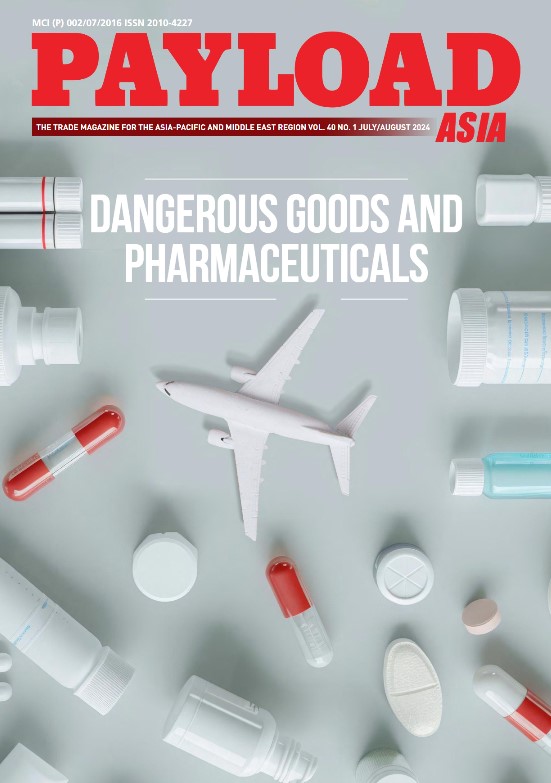
This story was first published in the July-August 2024 issue of Payload Asia.