

As the global cold chain logistics market is projected to grow from approximately USD 436 billion in 2025 to over USD 1.3 trillion by 2034—expanding at a compound annual growth rate of 13.5%—logistics providers are under increasing pressure to deliver reliable, high-quality services for temperature-sensitive cargo in the pharmaceuticals, fresh produce, and healthcare sectors.
SATS, a leading player in air cargo and ground handling, is meeting this demand through an integrated cold chain strategy that combines global infrastructure, digital innovation, operational training, and strategic collaboration. With 42 dedicated cold chain facilities and multiple global certifications, SATS is laying the groundwork for a resilient, technology-enabled logistics future.
A global network built for resilience
The SATS Group has developed a robust global network of cold chain facilities spanning Asia Pacific, Europe, the Middle East, Africa, and the Americas. Out of 42 facilities, 32 are certified under CEIV Pharma, CEIV Fresh, or GDP standards, underscoring SATS’ commitment to regulatory compliance and quality assurance.

SATS states that their cold chain infrastructure supports critical industries, including pharmaceuticals, fresh food, and healthcare, offering unmatched reliability and quality assurance.
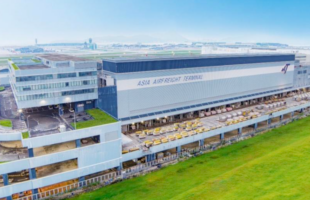
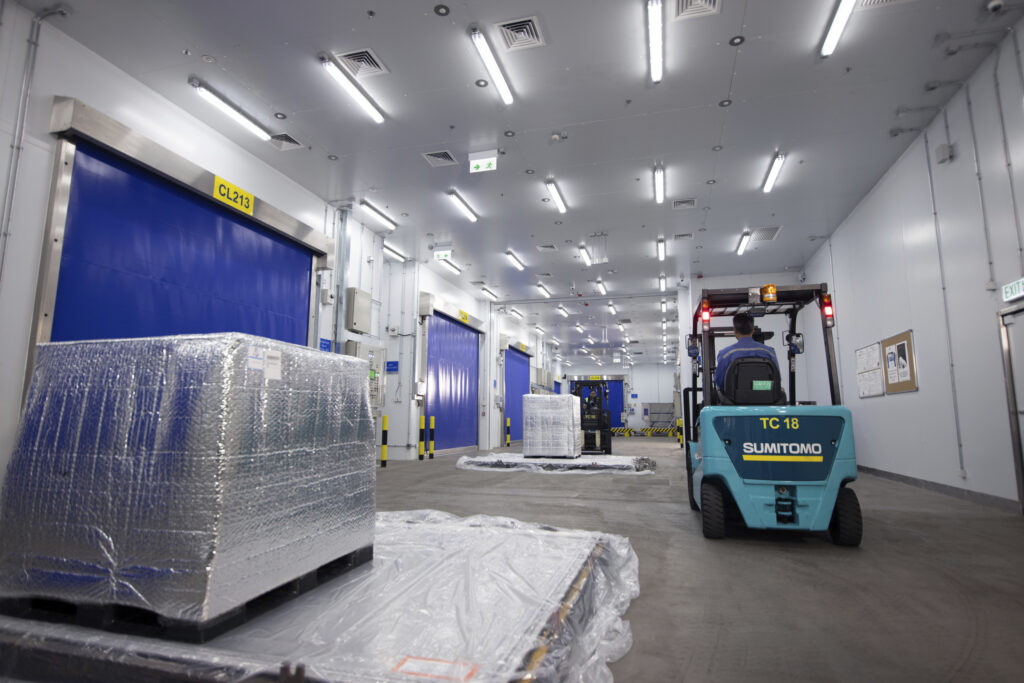
Flagship facilities such as Coolport in Singapore and AAT COOLPORT in Hong Kong exemplify the group’s capabilities. Located within the Free Trade Zone at Changi Airport, Coolport offers 18 cold rooms across three temperature ranges (2–8°C, 15–25°C, and -18°C) and direct airside access. With a handling capacity of 250,000 tonnes annually, it features chilled workstations, temperature-controlled truck docks, and an airside Cool Dolly service. During the COVID-19 pandemic, Coolport served as a critical hub for vaccine storage, highlighting SATS’ readiness in managing time- and temperature-sensitive cargo.
Protecting integrity from end to end
Cold chain integrity hinges on both speed and precision. At Changi, SATS deploys a dedicated towing team to deliver temperature-sensitive cargo to Coolport within 60 minutes of arrival. The use of temperature-controlled docks and the Cool Dolly service ensures stable conditions during handovers.
In Hong Kong, AAT COOLPORT enhances cold chain performance by accepting cargo directly at air-conditioned truck docks, eliminating exposure to external temperatures. All subsequent cargo processing—including weighing, x-raying, palletising, and storage—takes place in temperature-controlled areas, supported by CEIV Pharma, CEIV Fresh GDP, ISO 22000:2018, and HACCP certifications. Fully automated systems for palletised cargo and direct airside access further optimise safety and speed.
Digital infrastructure drives real-time visibility
SATS is transforming its cold chain operations through a layered digital strategy that combines automation, real-time tracking, and intelligent monitoring. This includes RFID-enabled tracking, AI-powered command centres, and on-ground tools that deliver end-to-end visibility, operational efficiency, and regulatory compliance for pharmaceutical and perishable shipments.
In Singapore, the proprietary cargo management system COSYS+ integrates with COSYS+ Mobility, a mobile scanning solution that enables piece-level tracking. Customers gain real-time visibility over shipment status through the SATS Cargo website, improving transparency, traceability, and compliance with global standards. These tools also support quicker decision-making in a dynamic cargo environment.
Facility-level automation is enhanced through hardware such as Programmable Logic Controllers (PLC) and Building Management Systems (BMS), which allow SATS to respond swiftly to disruptions and maintain consistent temperature control.
In Europe and the US, SATS and its subsidiary Worldwide Flight Services (WFS) operate digitally enabled cold chain facilities. In Liège, Belgium, a dedicated e-commerce cold chain hub—developed with Saudia Cargo and Cainiao—is outfitted with IoT sensors, digital dashboards, and live tracking to ensure speed and compliance. Major European hubs, including Paris (CDG), Frankfurt (FRA), and Amsterdam (AMS), are CEIV or GDP-certified, while U.S. stations such as JFK, ORD, and IAD feature CDP-certified facilities equipped with automated temperature monitoring, validation, and calibration systems.

Operational readiness starts with people
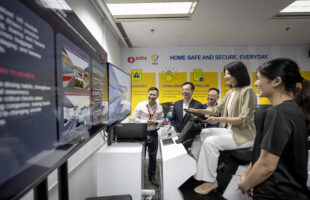
With the highly sensitive nature of pharmaceutical and perishable cargo, SATS and WFS maintain a strong focus on workforce readiness. Staff undergo specialised training in temperature-controlled handling, regulatory compliance, and emergency response. Regular airline audits and safety simulation exercises help ensure high standards.
“Operational readiness is carried out through frequent airline and external audits and safety simulation exercises. Our commitment is to ensure that every checkpoint is executed with precision and care, so as to uphold the highest standards of cold chain handling,” says SATS.
In Europe, WFS further strengthens cold chain logistics through its accredited WFS Academy, which provides initial and ongoing training on CEIV Pharma, GDP standards, dangerous goods, and health and safety. Practical on-the-job coaching and refresher courses maintain compliance and skills, while specialised programs prepare staff to manage sensitive cargo with expertise and reliability according to global standards.
Consistency across borders
To maintain service quality across its global network, SATS applies a centralised framework of policies, SOPs, and KPIs aligned with GDP and IATA CEIV Pharma standards. These are rolled out across joint ventures and adapted to meet regional requirements, ensuring consistency without compromising flexibility.
Powering cold chain through partnerships
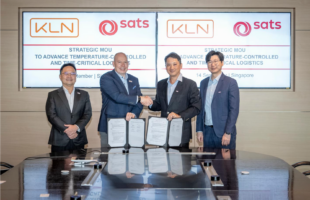
SATS collaborates closely with airlines, forwarders, and logistics giants to deliver customised cold chain solutions. Value-added offerings include pre-conditioning of active containers and multimodal transfers. Collaborations with DHL, FedEx, Kuehne+Nagel, and DSV have enabled SATS to build integrated air-sea-road corridors, reducing temperature deviations and improving delivery speed.
“By combining SATS’ handling expertise with our partners’ global reach and logistics infrastructure, we are delivering more resilient and scalable cold chain solutions for customers across healthcare, food, and high-value perishable sectors,” the company notes.
A greener cold chain
SATS is also focused on decarbonising its cold chain operations. The group has committed to reducing its Scope 1 and 2 emissions by 50% by 2030. Over the past six years, SATS has halved its group carbon intensity from 111 tCO2 equivalent per SGD million of revenues in 2020 to 54 in 2025. This year, the carbon intensity of its Gateway services (cargo and ground activities) is 27 tCO2 equivalent per SGD million of revenues, representing an 11% improvement compared to the previous year.
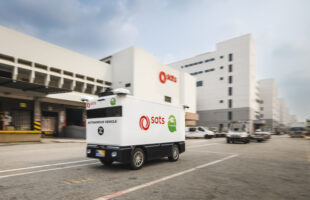
This achievement reflects SATS’ transition to electric or lower-emission vehicles, the adoption of energy-efficient refrigeration systems, and increased use of renewable energy. Currently, 21% of its global fleet consists of low-emission vehicles (up from 11% last year), and 27% of its electricity consumption is sourced from renewable energy—either through rooftop solarisation or green energy procurement.
Looking ahead
Ongoing infrastructure upgrades—from new refrigerant systems to humidity control—are part of SATS’ strategy to enhance operational resilience and energy efficiency. The group is also investing in predictive maintenance and data-driven tools to support smarter logistics decisions. With rising demand from the health science sector, SATS is positioning itself as a trusted, globally connected cold chain partner.
Recognition and motivation
At the 11th Payload Asia Awards, SATS was recognised in two categories for ground handling excellence. According to SATS, “These awards reflect the collective effort across SATS teams to elevate standards in cold chain logistics—from deploying new technologies and facility upgrades to enhancing staff capabilities and developing tailored solutions for our customers.”
With its unmatched global reach, award-winning service, and forward-looking strategy, SATS is shaping the future of cold chain logistics across continents.
This story was first published in the May-June 2025 issue of Payload Asia.