
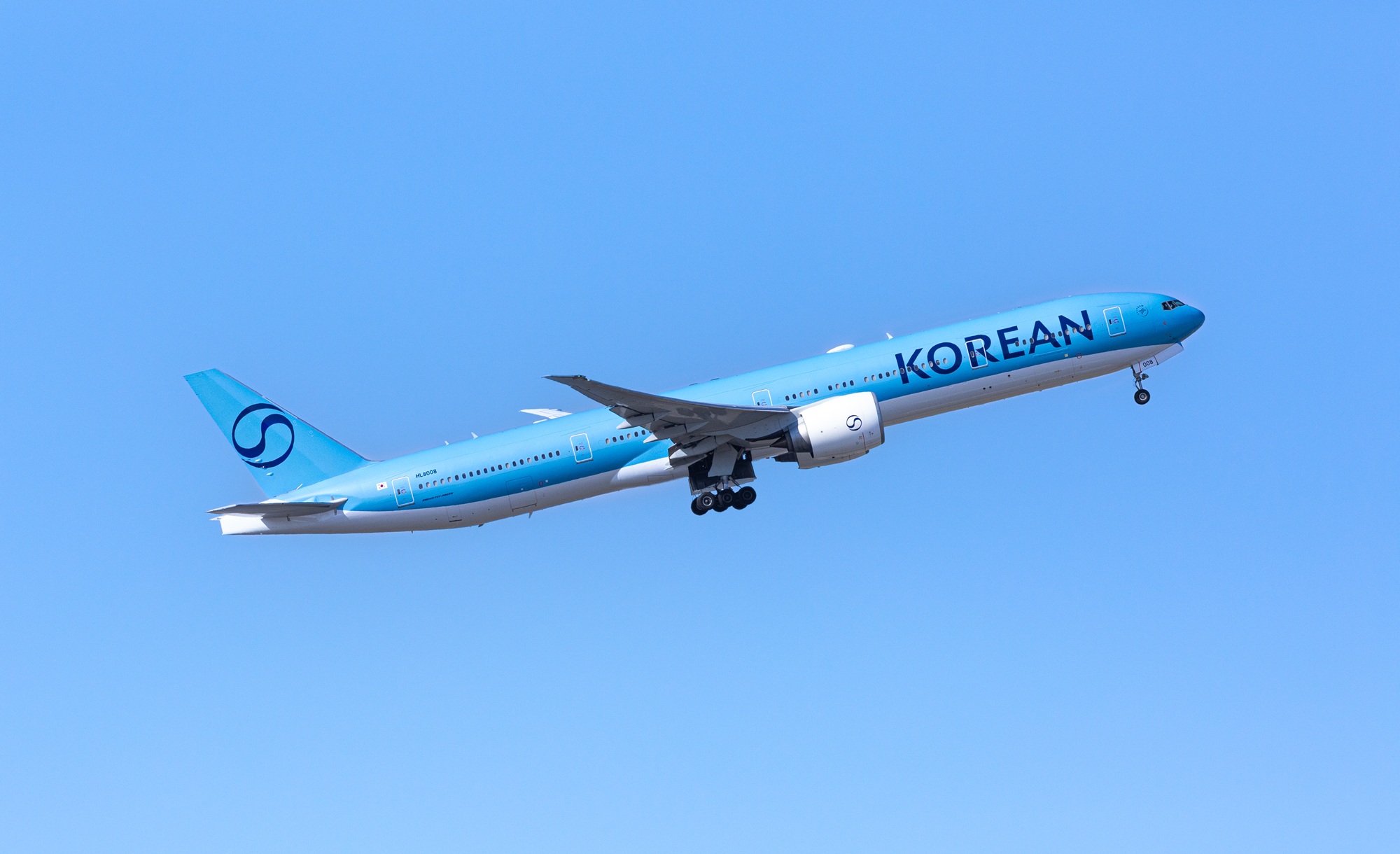
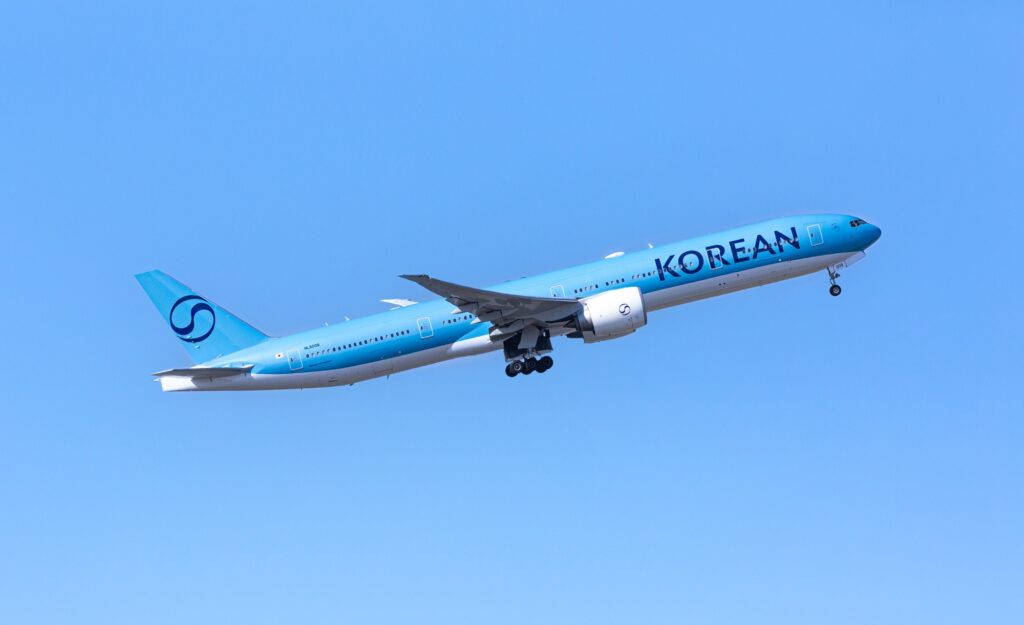
Korean Air has recorded strong growth across its Vietnam passenger and cargo network, positioning the country as its largest market in Southeast Asia by number of destinations, passenger traffic, and cargo volume. Building on this performance, the airline is reinforcing its commitment to Vietnam’s growing travel and trade demand through its extensive global network.
Passenger operations
Korean Air serves five destinations in Vietnam – Ho Chi Minh City, Hanoi, Danang, Cam Ranh (Nha Trang), and Phu Quoc – more than any other country in its Southeast Asia network. The airline has steadily rebuilt its Vietnam network post-pandemic, resuming services to Danang and Nha Trang in 2022 and launching a new route to Phu Quoc in late 2023.

In the first half of 2025, the airline carried 374,788 passengers between Korea and Vietnam, a 4% year-on-year increase. While the Ho Chi Minh City – Seoul Incheon route remains the busiest, the fastest-growing routes during this period were Phu Quoc – Seoul Incheon and Cam Ranh – Seoul Incheon.
The airline’s Seoul Incheon hub serves as a key gateway for connecting traffic from Vietnam, with onward connections to North America and Japan. In addition to two Canadian cities, the airline’s trans-Pacific joint venture with Delta Air Lines provides seamless access to a vast network of more than 290 cities beyond 15 U.S. gateways. In Japan, Korean Air serves 14 cities, including regional destinations like Aomori, Nagasaki, and Kumamoto.
Cargo operations
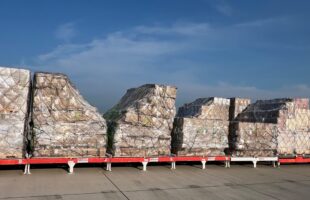
The Hanoi station is the airline’s largest freighter operation in Southeast Asia, with 11 weekly frequencies that transported approximately 50,000 tons of export cargo in 2024. The Ho Chi Minh City station is served by three weekly freighters and supplemented by daily passenger belly capacity, handling around 16,000 tons of export cargo last year.
Key export commodities include high-value goods like semiconductors, mobile phones, and electronic parts, alongside strong demand for consumer goods such as apparel and fresh produce. The airline is also developing new demand for emerging sectors like e-commerce and components for the renewable energy industry, such as solar cells.
Strategic importance and market context
South Korea is the second-largest source of international arrivals to Vietnam, accounting for 3.2 million of the 15.4 million total arrivals in the first nine months of 2025. According to Vietnam’s Ministry of Finance, South Korea is also one of the largest sources of foreign direct investment (FDI) into the country.
“Vietnam is one of our most dynamic and successful markets in Southeast Asia, with a mix of travellers flying for leisure, business, and connections beyond Seoul,” said Kyoung Hee Kang, Vietnam Country Manager at Korean Air. “Our focus is on continuing to provide reliable, high-quality service for our passengers and cargo clients, and strengthening Vietnam’s connectivity with the rest of the world through our Incheon hub.”
As a key partner in Vietnam’s aviation sector, Korean Air is committed to supporting the country’s development as a leading regional hub for travel and trade. The airline will continue to leverage its global network and deep market experience to foster growth and strengthen local partnerships.