
In an air cargo environment shaped by volatility, shifting trade flows, and increasingly complex shipment requirements, air charter services continue to play a critical role in keeping supply chains moving. For Chapman Freeborn, time-critical, humanitarian, and outsized cargo remain central to its operations, anchoring the company’s position as a specialist within the broader air cargo ecosystem.
“Time-critical, humanitarian, and outsized cargo remain the core types of ad-hoc aircraft chartering requirements,” says Anton Lomakin, VP Cargo Airchartering – ASEAN at Chapman Freeborn Airchartering Pte Ltd. Within this ecosystem, Chapman Freeborn looks beyond one-off movements to provide value through more structured charter solutions. “Within the broader air cargo system, we concurrently look at economical ways of moving large volumes of e-commerce or other products with medium to long-term commitments, such as ACMI, to add value to the various shippers by utilising air charters.”
The scope of charter demand also extends to cargo that conventional carriers are unable or unwilling to carry. “Various types of dangerous or forbidden goods rejected by conventional carriers and requiring special handling or procedures to be carried are also a frequent commodity to uplift on charters.”

Responding to changing market dynamics
Charter demand in 2025 has been influenced by geopolitical and regulatory developments, with trade patterns adjusting accordingly. “The US global tariffs caused a slight change in demand and routings, and we saw increased intra-Asia traffic this year,” Lomakin says. In such an environment, agility remains essential. “We remain, as always, agile and adaptable to be able to react to all changes in this volatile aircraft chartering industry.”
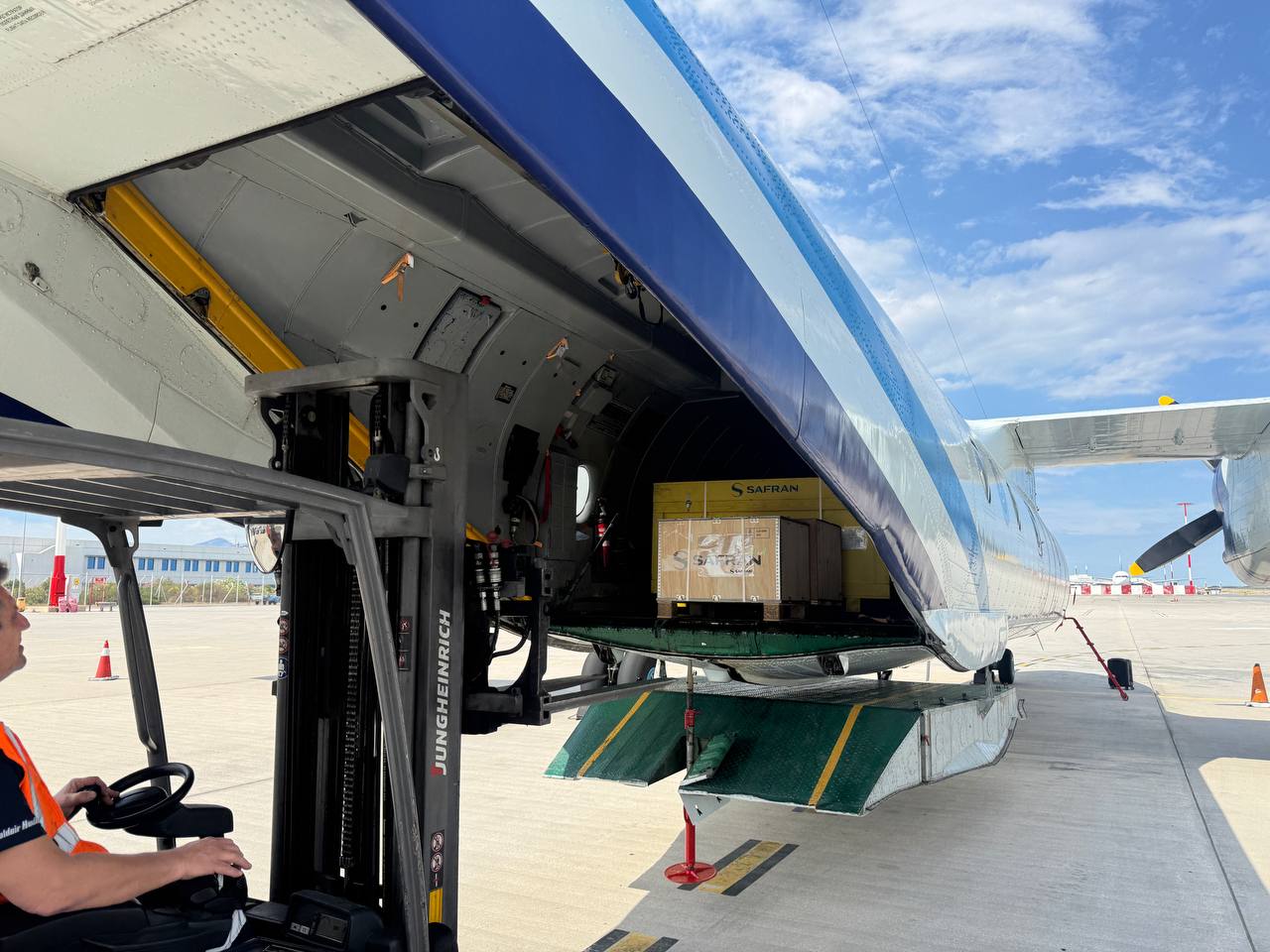
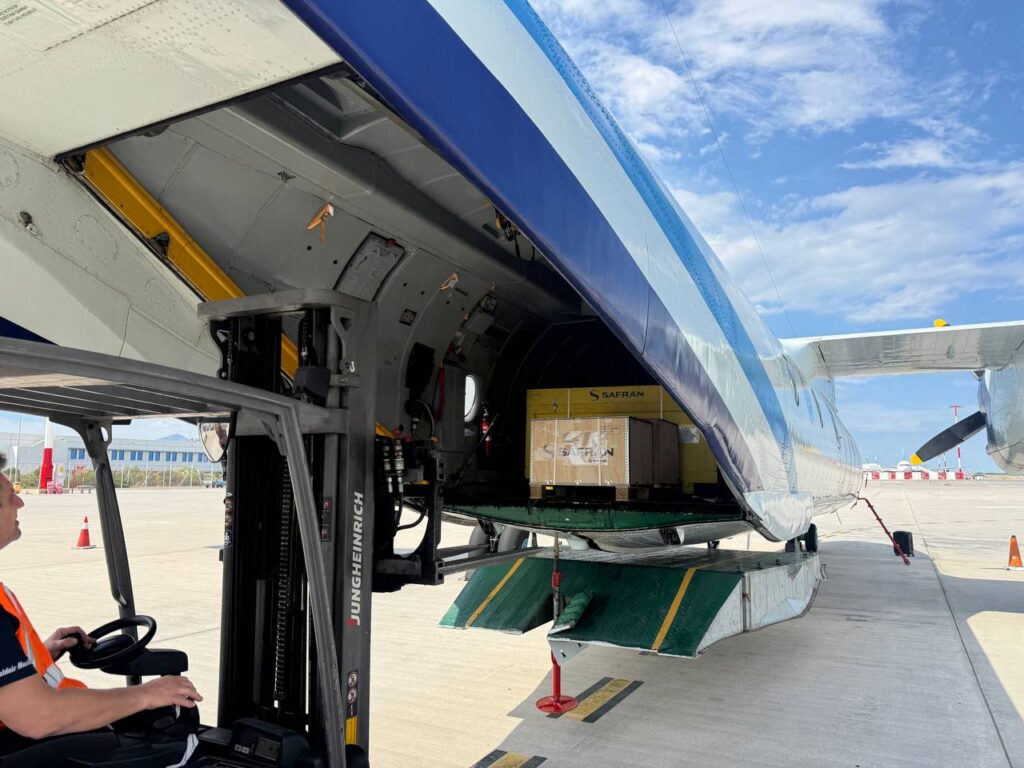
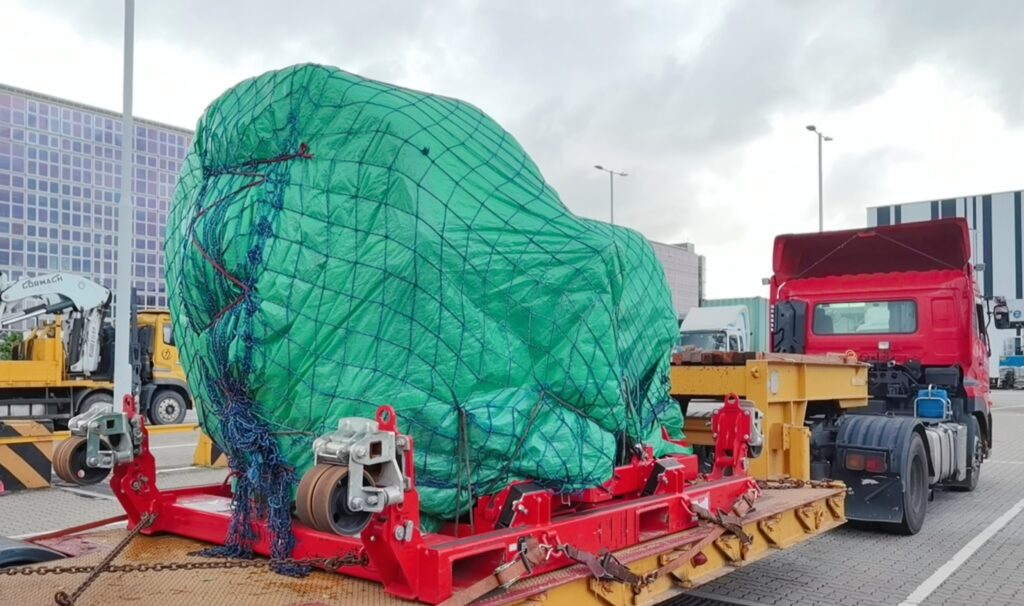
This ability to respond quickly is often most visible during urgent, high-stakes situations, particularly when conventional capacity is unavailable. Lomakin highlights a recent aircraft-on-ground (AOG) case involving a widebody aircraft component. “An airline had a critical AOG at their home hub, and as there were no main deck freighter services to their hub that could uplift an A330 main gear, we arranged an urgent charter for them.” To balance urgency with cost efficiency, Chapman Freeborn proposed an alternative solution. “We proposed using a part-charter solution that helped the customer to recover the stranded aircraft but also save cost concurrently.”
Growth opportunities looking ahead
As the industry looks toward 2026, Chapman Freeborn sees continued opportunity across both trade lanes and cargo verticals. “The Asian and Latin American trade lanes have been progressively developing, and we see plenty of opportunities there,” Lomakin notes. In terms of cargo segments, demand is expected to be driven by several key industries. “In terms of industry verticals, we believe e-commerce, alongside pharma and high-value goods such as electronics, will drive the growth.”
Charter services continue to play a complementary role alongside scheduled belly and freighter capacity, particularly when demand shifts faster than airline networks can adapt. “Ad-hoc charter services will always be less cost-efficient compared to fine-tuned regular commercial service,” Lomakin acknowledges. However, response time remains a key differentiator. “There is, however, a certain lag in airlines’ capability/response time to adapting cargo capacity on certain routes to an ever-changing environment/demand.”
When these changes are sudden, charter demand follows. “When these changes in environment/demand are drastic or abrupt, there will always be a need by the customers (shippers) for Chapman Freeborn’s assistance to fill the void.” At the same time, the company also supports carriers facing excess capacity. “Correspondingly, carriers may experience occasional overcapacity and Chapman Freeborn can assist in redirecting it faster or even find new niche cargo sources or markets, allowing the airlines valuable time to adjust their scheduled capacity.”
People, partnerships, and industry recognition
Behind its global operations, Chapman Freeborn places strong emphasis on its people and collaborative culture. “Training programs and continued on-the-job guidance by senior team members contribute to the work and learning experience of newer employees,” Lomakin says. Collaboration across regions further strengthens operational consistency. “We also believe in working together as a global team instead of as separate teams, leveraging on one another’s local expertise and knowledge.”
This people-driven approach was reflected in Chapman Freeborn’s recent recognition as Air Charter Broker of the Year at the 12th Payload Asia Awards. “We are deeply grateful for the continued support from both our customers and suppliers and believe that maintaining close relationships and developing partnerships with both our customers and suppliers, whilst nurturing the most professional teams, have always been the key to success.”
Outlook for 2026
Looking ahead, Lomakin expects capacity growth to shape charter market dynamics in the year ahead. “With a lot of wide-body aircraft freighters on order, we expect supply will grow faster than demand in 2026, putting downward pressure on air charter rates with elevated premiums for ad-hoc charters for quarter-end deliveries.”
As the air cargo industry enters another period of adjustment, Chapman Freeborn’s ability to respond where conventional capacity falls short continues to define its role within the global charter landscape.
This story was first published in the November-December 2025 issue of Payload Asia.