
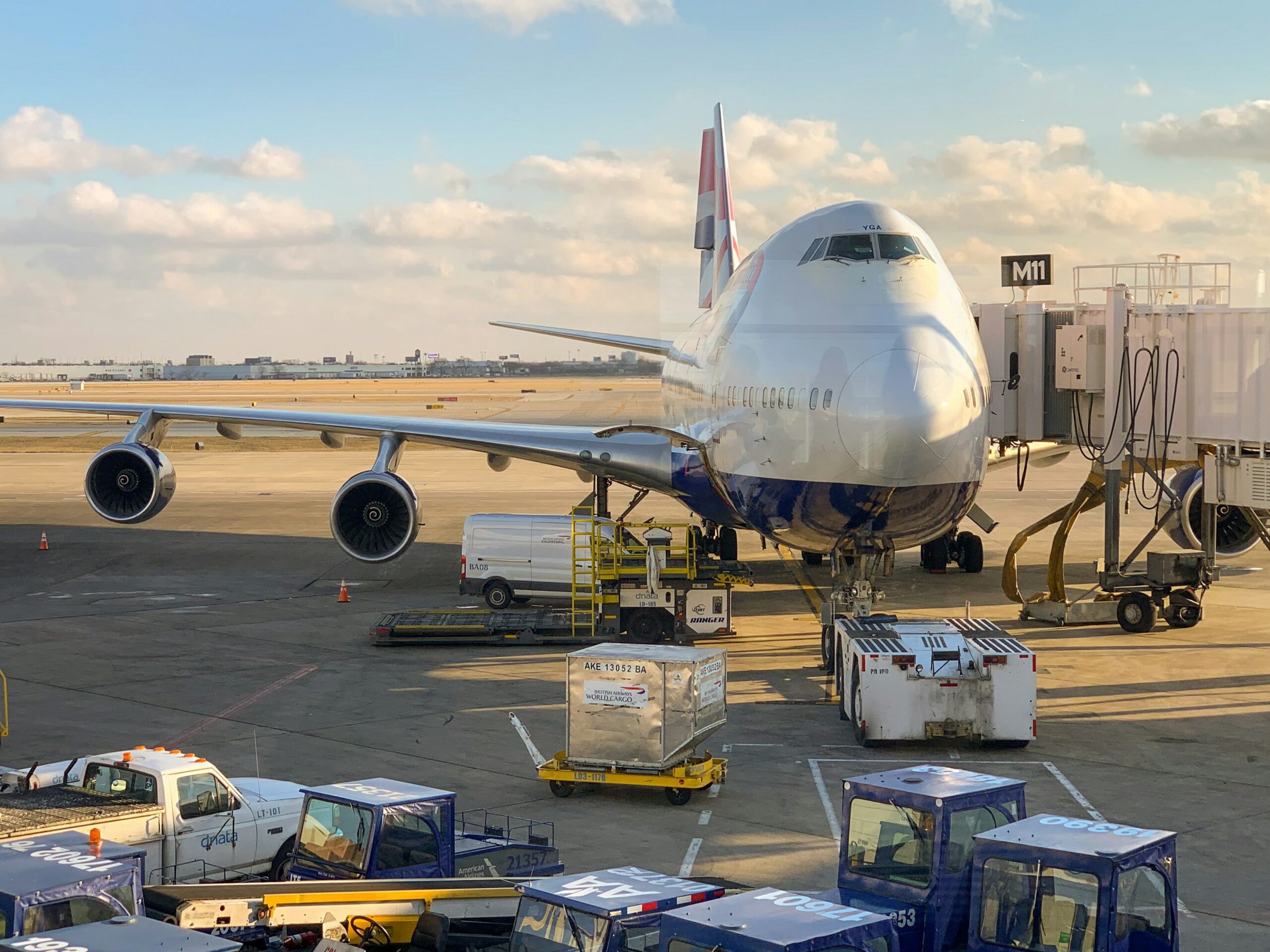
As Asia enters a defining decade for trade, travel, and logistics, the region’s aviation and air cargo sectors are moving into a new phase of recovery and expansion. Infrastructure investments, shifting trade patterns, and the rebound of passenger travel are reshaping connectivity across the region, even as operators continue to contend with structural and geopolitical challenges.

According to Marcelo Kaiser, COO Aviation at AVIAREPS, Asia-Pacific is now showing clear signs of renewed momentum. Citing industry data, he notes that “Asia-Pacific will lead global aviation in 2025, surpassing pre-pandemic capacity levels and signalling a new phase of post-crisis growth – setting the tone for 2026.”
At the same time, growth across the region remains uneven and increasingly complex. Kaiser points out that operators must navigate significant structural headwinds, including geopolitical tensions and regulatory shifts that are already disrupting selected trade lanes.

Infrastructure reshaping regional connectivity
Large-scale airport developments are expected to play a critical role in shaping future trade and cargo flows. In Singapore, the expansion of Changi Airport through Terminal 5, alongside new logistics and industrial zones, is set to significantly raise cargo-handling capacity over the coming decade.
“These infrastructure developments will increase capacity, introduce more direct routes, improve multi-modal travel, and reduce transit times – enhancing the value proposition of air cargo for high-value and time-sensitive shipments,” Kaiser explains.
Vietnam’s Long Thanh International Airport is similarly positioned to become a regional logistics hub, with plans to support bonded warehousing, cold-chain logistics, and cross-border e-commerce. Together, such projects are expected to reinforce Southeast Asia’s role in global supply chains, particularly as manufacturers diversify production bases.
At AVIAREPS, Kaiser says these developments are viewed as creating new supply and demand, with airlines that tap into emerging hubs best positioned to capture long-term growth and sustainability.
Adapting strategies amid capacity constraints
Despite improving demand indicators, airlines and logistics providers continue to face supply chain constraints and capacity challenges. In response, operators are increasingly moving away from rigid legacy models in favour of flexibility and diversification.
Kaiser observes that industry players succeeding today are those embracing flexibility and diversification rather than rigid legacy models. Airlines are combining freighter and belly-hold capacity, shifting uplift between airports to manage congestion, and consolidating cargo flows through strategic regional hubs.
In a competitive, capacity-constrained environment, flexibility has become a key differentiator, with GSAs playing an increasingly important role in enabling airlines and logistics providers to respond quickly to changing market conditions.
Navigating Asia’s fragmented markets
Asia’s diversity remains both an opportunity and a challenge for international operators. Regulatory environments, customs regimes, infrastructure readiness, and customer behaviour vary widely across markets, making a one-size-fits-all approach ineffective.
Kaiser cautions that a common pitfall is viewing Asia as a homogeneous market, noting that neighbouring countries can differ significantly in tariff regimes, handling procedures, and the buying behaviour of air freight forwarders.
Success, he explains, depends on adopting a market-specific approach supported by strong local knowledge and networks. Asia, he adds, demands a nuanced strategy that takes into account regulatory frameworks, trade-partner networks, demand seasonality, and cultural norms.
Cargo evolution alongside passenger recovery
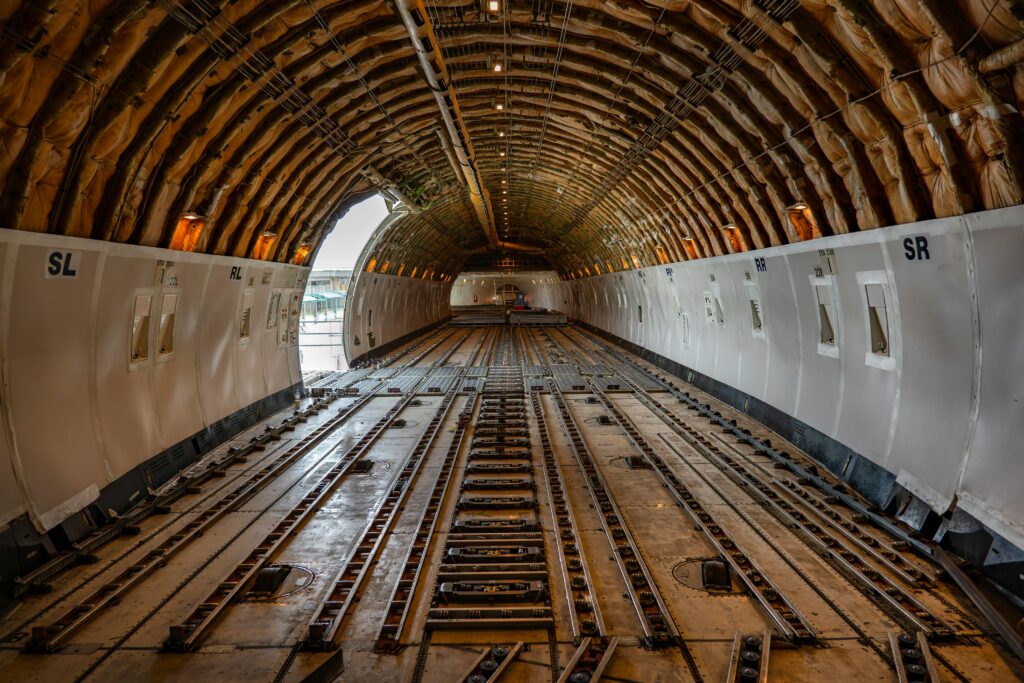
As passenger travel continues to recover, cargo operations are benefiting from increased belly-hold capacity and higher flight frequencies, particularly on wide-body routes — supporting demand in sectors such as e-commerce, electronics, and pharmaceuticals.
“The recovery of passenger travel has unlocked valuable belly-hold capacity and increased flight frequencies on wide-body routes – benefiting cargo operations, especially in sectors like e-commerce, electronics, and pharmaceuticals,” Kaiser says.
At the same time, demand patterns across Asia are shifting. Dimerco’s October 2025 Freight Market Report cited surging volumes of AI servers, semiconductors, and consumer electronics originating from Southeast Asia, contributing to congestion at key regional hubs. Intra-Asia trade now accounts for nearly 60% of Asia’s total exports, based on United Nations data, while ASEAN has emerged as China’s largest trade partner, with bilateral trade reaching US$963 billion in 2024.
Southeast Asia is also becoming an increasingly important destination for India’s expanding e-commerce sector, industrial output, and pharmaceutical production. The airfreight market between India and Asia has grown significantly, as India’s strategic location strengthens its role as a logistics hub, while countries such as Singapore, Malaysia, Thailand, Vietnam, and Indonesia continue to serve as both manufacturing centres and growing consumer markets.
“These create opportunities for airlines to optimise route planning, enhance feeder networks and deliver faster turnaround times,” Kaiser adds.
Digitalisation, sustainability, and resilience
Digital tools are increasingly central to commercial decision-making across aviation and cargo. From demand forecasting and revenue management to real-time performance monitoring, operators are becoming more data-driven in how they approach regional markets.
Kaiser notes that digital tools have become integral to commercial success, adding that digital fluency is no longer optional but essential for standing out in an increasingly saturated market.
Sustainability is also gaining prominence across the industry. Airlines are investing in fuel-efficient aircraft and exploring sustainable aviation fuel, while airports and logistics providers are improving energy efficiency and reducing reliance on fossil fuels.
According to Kaiser, sustainability is now a strategic imperative across aviation and logistics, with both carriers and infrastructure providers embedding environmental considerations into long-term planning.
Preparing for 2026 and beyond
Looking ahead, the maturation of Southeast Asia as a manufacturing and export hub is expected to accelerate, driven by “China Plus One” strategies and government incentives. At the same time, vertical specialisation is intensifying, with sectors such as pharmaceuticals, perishables, and electronics demanding faster and more precise logistics solutions.
To stay ahead, Kaiser says operators should adopt modular and scalable commercial strategies, embrace digital and data-led decision-making, and align their offerings to high-potential verticals and emerging corridors.
As Asia’s aviation and cargo landscape continues to evolve, the ability to adapt to complexity — rather than simply scale — is emerging as a defining success factor for operators navigating the region’s next phase of growth.
This story was first published in the November-December 2025 issue of Payload Asia.