
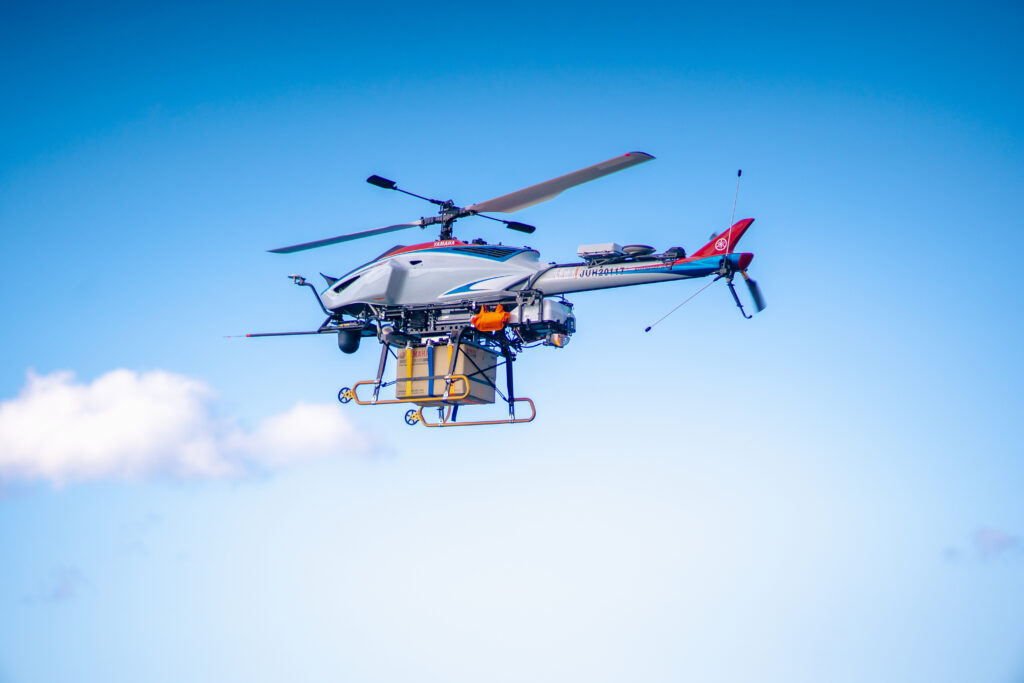
Japan Airlines (JAL) is taking a significant leap forward in the logistics and healthcare sectors by incorporating drone technology into its broader business strategy. This initiative is part of JAL’s Digital Transformation (DX) strategy, which focuses on integrating advanced technology with the airline’s expertise in safe operations. By collaborating with other companies and aligning with government policies, JAL aims to revolutionise air mobility through drones and electric Vertical Take-Off and Landing (eVTOL) vehicles.
At the core of this transformation is the Air Mobility Operation Platform (AMOP), a social infrastructure designed to manage the safe operation of next-generation air mobility services. AMOP offers more than just operational management systems providing consulting, communication support, insurance, aircraft provision, and pilot training services. While the platform’s applications are vast, JAL sees particular potential in using drones to deliver lightweight, high-value, and time-sensitive medical supplies.
“Combining our expertise in safe operations with advanced technology, we are collaborating with other companies to promote the next-generation air mobility business,” explains Eriko Yano, Manager, Drone Business Group, Air Mobility Business Creation Department, Innovation Division, at Japan Airlines. The airline envisions a future where drones and eVTOLs are a common feature of healthcare logistics, transforming how medical supplies are delivered.


Pioneering drone-based pharmaceutical delivery
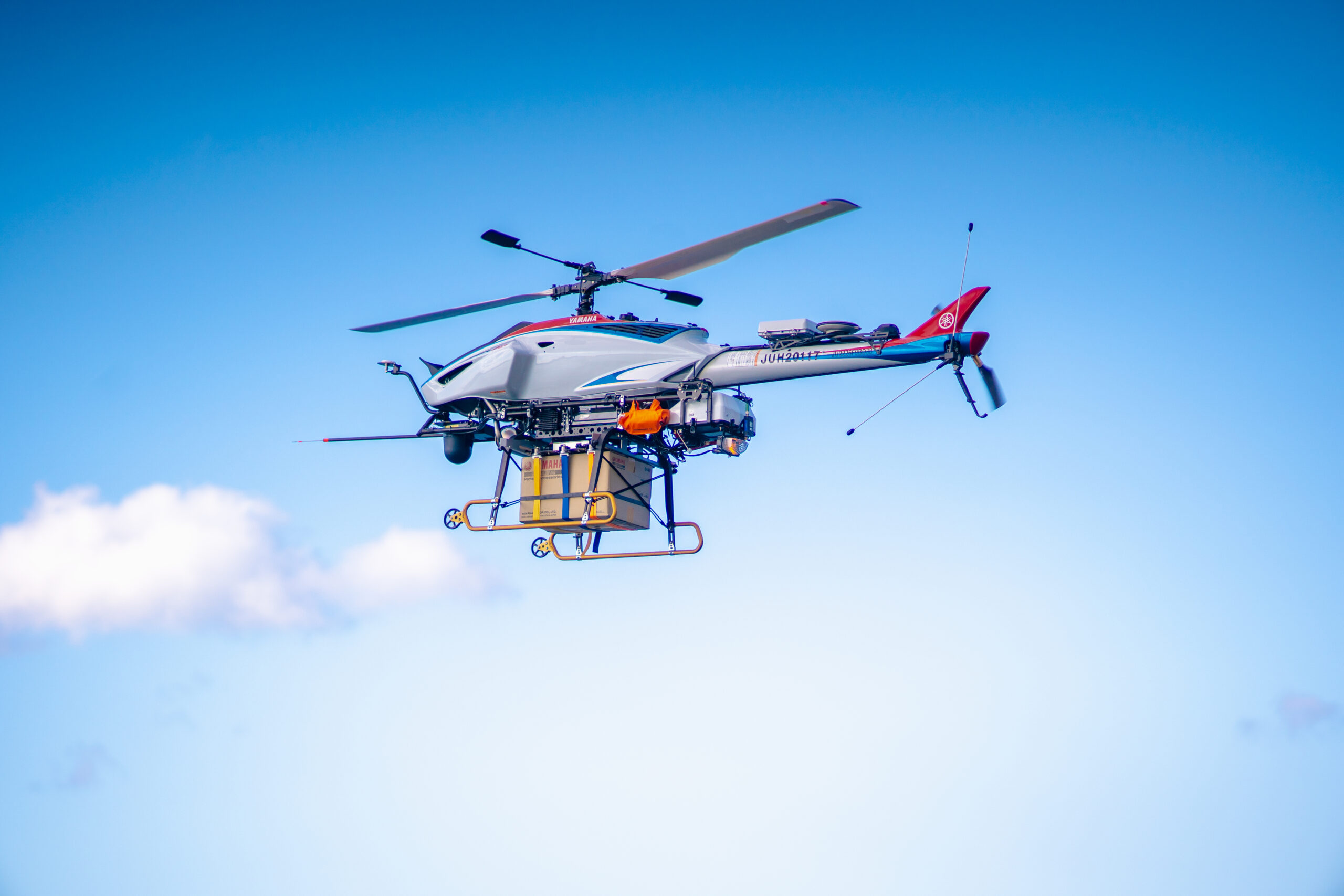
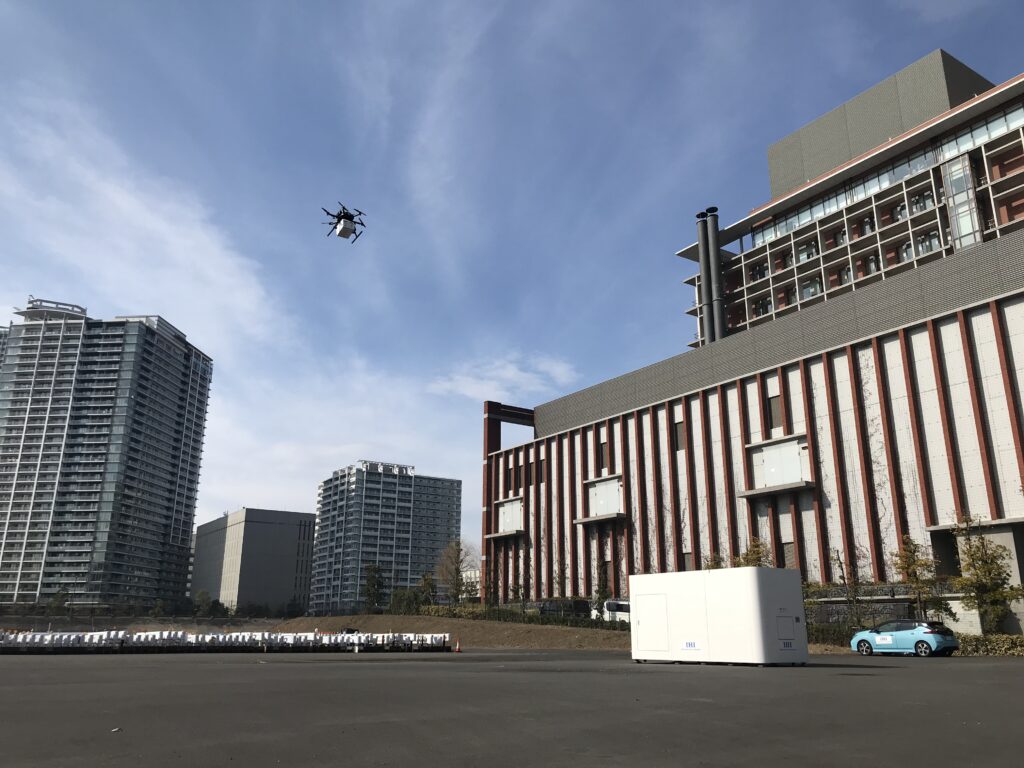
One of JAL’s most promising ventures is its drone-based pharmaceutical delivery system, which aims to streamline the transportation of essential medications. In a demonstration in Tokyo, JAL partnered with consortium companies to deliver low-frequency, high-value pharmaceutical products from warehouses to hospitals. This initiative aims to reduce wastage caused by expired pharmaceuticals, while also addressing the unique logistical challenges faced by hospitals in densely populated areas like Tokyo.
JAL has also expanded its efforts to more remote locations. On Amami Oshima Island, in collaboration with the Setouchi Town Office, JAL established “Amami Island Drone Co., Ltd.” to deliver pharmaceuticals to residents of remote islands. These efforts demonstrate how drone technology can bridge logistical gaps, ensuring that vital medical supplies reach even the most isolated communities.
Enhancing healthcare logistics with drone ports
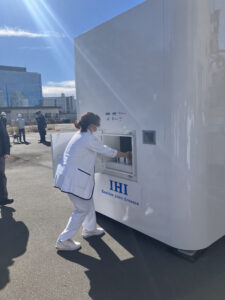
A key takeaway from JAL’s recent demonstration in Koto-ku, Tokyo, was the potential of drone ports in hospital settings. These ports could allow hospitals to receive pharmaceutical deliveries at their convenience, reducing reliance on traditional logistics systems. As the airline continues to explore the capabilities of drone technology, it also recognises the importance of addressing the shortage of manpower in the pharmaceutical industry.
In terms of operational efficiency, JAL is focusing on safety and reliability. The airline sees drone ports as an essential component in achieving this, allowing for automated takeoff and landing procedures that minimise human involvement while ensuring temperature control and delivery management. Hospital personnel involved in the demonstration expressed enthusiasm for the potential of drone ports, particularly in emergencies when road closures or disasters isolate healthcare facilities.
Overcoming challenges and advancing technology
JAL has faced challenges in its pursuit of drone-based logistics, particularly regarding Level 4 flights—drones flying beyond visual line of sight (BVLOS) in populated areas. Currently, only one drone model, the PF2-CAT3 by ACSL, is certified for these flights. To overcome this limitation, JAL works with partners to diversify drone options and expand operations into urban areas. “We need drones with advanced control capabilities and high-precision landing, especially for operations in limited spaces like urban areas,” Eriko noted.
In addition to enhancing drone technology, JAL is also developing a flight management system that allows a single operator to control multiple drones. This would significantly reduce operational costs and improve efficiency, paving the way for widespread drone adoption.
Building strategic partnerships
Collaboration is key to JAL’s success in the drone industry. The airline has partnered with several organisations, including KDDI Corporation, East Japan Railway Company, and local hospitals, to bring its vision to life. Each partner plays a unique role: KDDI provides essential LTE communication, East Japan Railway Company offers implementation support, and local hospitals serve as demonstration sites, providing valuable feedback on the practicality of drone deliveries.
These partnerships are vital not only for the technical success of the project but also for gaining public acceptance of drones in everyday life. JAL has been proactively educating the public and healthcare professionals about the benefits and safety of drone technology through workshops and demonstrations. The airline is also working on initiatives to help hospital staff acquire the necessary skills to handle drone operations.
Navigating regulations and ensuring safety
Navigating Japan’s regulatory landscape for drone operations has been a complex process for JAL. The airline is working closely with Prodrone Co., Ltd. to meet the stringent requirements for Type 1 Certification, which allows for Level 4 flights in densely populated areas. In addition, JAL has introduced training programs based on Crew Resource Management (CRM), a concept used in aviation to improve safety and coordination among pilots.
JAL is also taking steps to ensure the sustainability of drone operations. One of its long-term goals is to reduce manpower and increase aircraft utilisation by allowing a single pilot to control multiple drones. Supported by the New Energy and Industrial Technology Development Organization (NEDO), JAL is conducting technological verification to achieve this.
The future of drone-based healthcare logistics
JAL’s drone initiatives can potentially transform healthcare logistics in Tokyo and beyond. Drones could be crucial in maintaining healthcare systems in depopulated areas, ensuring patients receive necessary medications and blood supplies even in remote regions. During emergencies, drones could provide uninterrupted delivery services, ensuring the continuous flow of critical supplies.
“We believe that drones can contribute significantly to maintaining medical systems in areas where healthcare infrastructure is difficult to maintain,” Eriko states. The airline also sees potential for expanding drone deliveries to sectors beyond pharmaceuticals, such as food supplies and newspapers, as demonstrated by its operations on Amami Oshima Island.
Ultimately, JAL’s vision is to create a sustainable, efficient, and reliable drone logistics service that benefits healthcare providers and patients. By reducing medication waste, improving delivery times, and enhancing operational safety, drones have the potential to revolutionise the healthcare industry—not just in Tokyo, but across the globe.
This story was first published in the July-August 2024 issue of Payload Asia.