

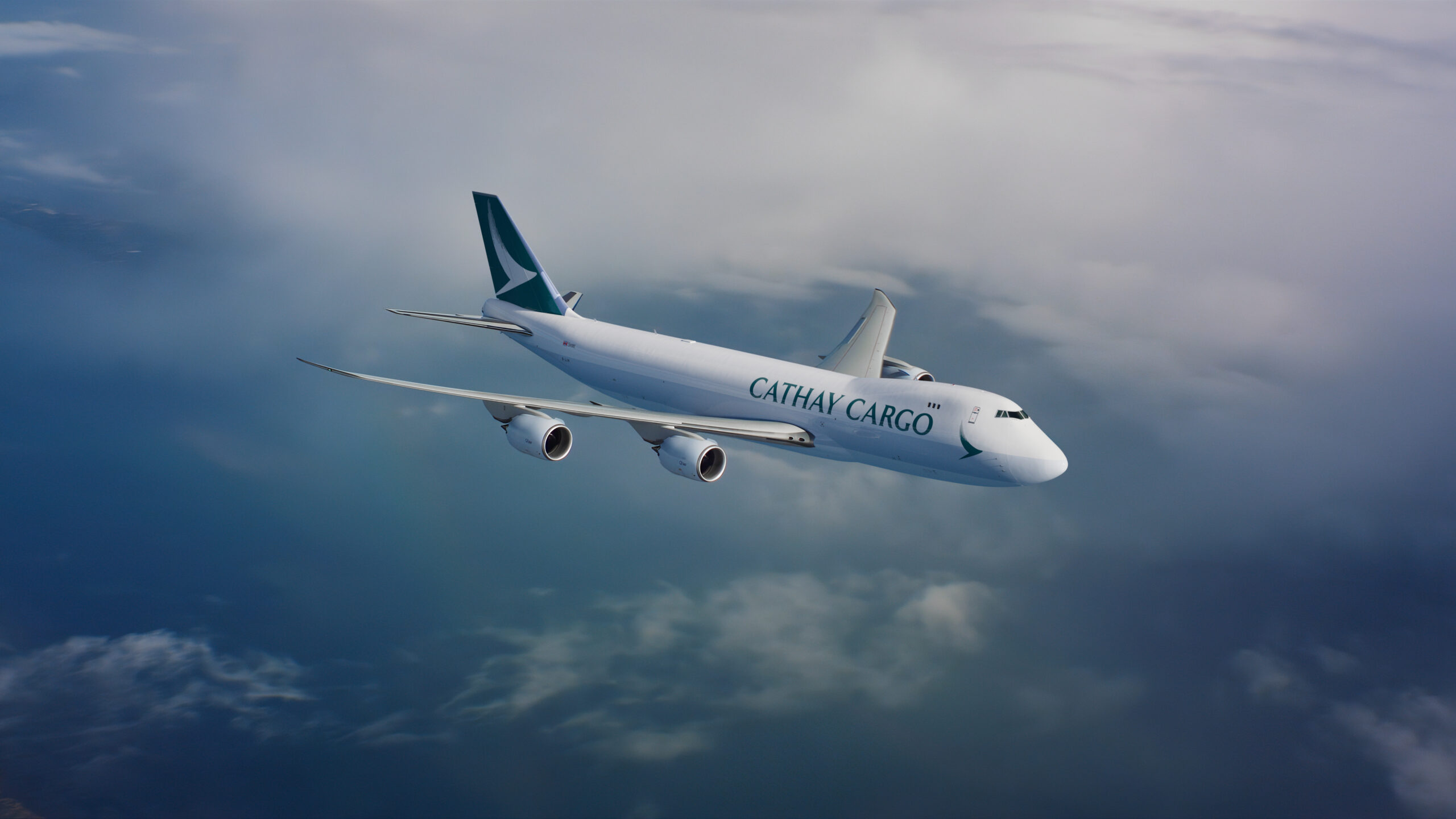
As air cargo enters a new era defined by digital intelligence, automation, and integrated logistics, Cathay Cargo is positioning itself at the forefront of transformation. For the carrier, digitalisation is not merely a technology upgrade—it is the foundation for building future-proof operations capable of adapting to global market volatility, rising customer expectations, and increasingly complex supply chains.

According to Andress Lam, Head of Cargo Digital at Cathay Cargo, digital resilience lies at the core of this evolution. “To us, digital resilience is about creating an ecosystem that can adapt, recover, and thrive amid constant change,” she explains. With shifting trade patterns, regulatory frameworks, and customer needs, the airline is focused on ensuring that its digital backbone—systems, infrastructure, platforms, and partner connectivity—is secure, scalable, and ready for fast response in any disruption.
A digital ecosystem built for scale
Cathay Cargo has invested significantly in data governance, cybersecurity, and the development of its Cargo Digital Hub, an end-to-end platform that integrates booking, tracking, documentation, and after-sales support. By consolidating what were once separate systems, the airline aims to deliver a seamless digital experience while empowering its workforce to work faster and smarter. “Through integration, we train and upskill employees, building a pool of talent who can respond quicker when issues arise,” Lam notes.

The carrier’s digital roadmap is guided by three principles: customer centricity, operational excellence, and people. Real-time pricing and booking via Click & Ship, as well as API-driven connectivity with major forwarders like CargoWise, DHL Global Forwarding, and DSV, highlights the airline’s push to make air logistics more flexible and transparent. These tools not only make cargo bookings more intuitive but also streamline internal workflows—reducing manual tasks and enabling faster decision-making.
Operational excellence through data mobility
On the ground, the Cargo Connect app has enabled front-line teams to digitalise processes once reliant on paperwork. Mobile access to flight checklists, tie-down diagrams, and photo-upload functions has improved accuracy and reduced turnaround times. The app was introduced in phases—first in Hong Kong, then globally—to ensure usability and continuous refinement. “Balancing innovation with operational reality requires disciplined prioritisation and an agile mindset,” Lam says.
Predictive analytics is also reshaping how the carrier plans capacity and manages disruptions. By analysing booking patterns, trade lane behaviour, economic indicators, and performance metrics, Cathay Cargo can anticipate demand shifts and optimise capacity deployment. Combined with data on weather, air traffic, and operational constraints, predictive tools allow the team to take proactive action rather than reactive measures—strengthening service consistency and resilience.

Driving industry-level standards and connectivity
Digitalisation in air cargo cannot succeed in isolation. Cathay Cargo has been an active supporter of global digital standards, including IATA’s eAWB and ONE Record. The airline has already implemented ONE Record use cases ahead of IATA’s 2026 target, reinforcing its commitment to a unified data model and end-to-end visibility across the supply chain.
Lam notes that the biggest barriers to industry-wide adoption remain fragmentation and uneven digital maturity. Stakeholders—from airlines and forwarders to regulators and ground handlers—still operate on diverse systems, limiting visibility and interoperability. Overcoming this requires system integration, shared standards, and investment in people. “Only when the whole ecosystem moves together can digital transformation truly succeed,” she emphasises.
Preparing for the future of intelligent cargo
As the industry moves toward 2026, Cathay Cargo sees AI, IoT sensors, automation, and integrated multimodal data as key enablers of next-generation logistics. Large language models could automate documentation and compliance checks; IoT devices could enhance real-time monitoring of temperature-sensitive goods; and integrated digital platforms could unify air, sea, and land operations.
But at the heart of this transformation is culture. Cathay Cargo continues to invest in upskilling and embedding digital thinking across the organisation—positioning its workforce to navigate a data-driven environment confidently. “Digital transformation is as much a people journey as it is a technological one,” Lam says.
A vision for intelligent, connected cargo flows
Looking ahead, Cathay Cargo envisions a fully connected digital ecosystem where data flows as seamlessly as physical cargo. With the expansion of the Cargo Digital Hub, open API architecture, and growing adoption of digital standards, the airline aims to deliver complete transparency and control throughout the shipment journey. “The goal is to move from handling cargo to managing intelligent cargo flows,” Lam shares—a shift that promises to redefine efficiency, sustainability, and customer experience in global air logistics.
This story was first published in the November-December 2025 issue of Payload Asia.